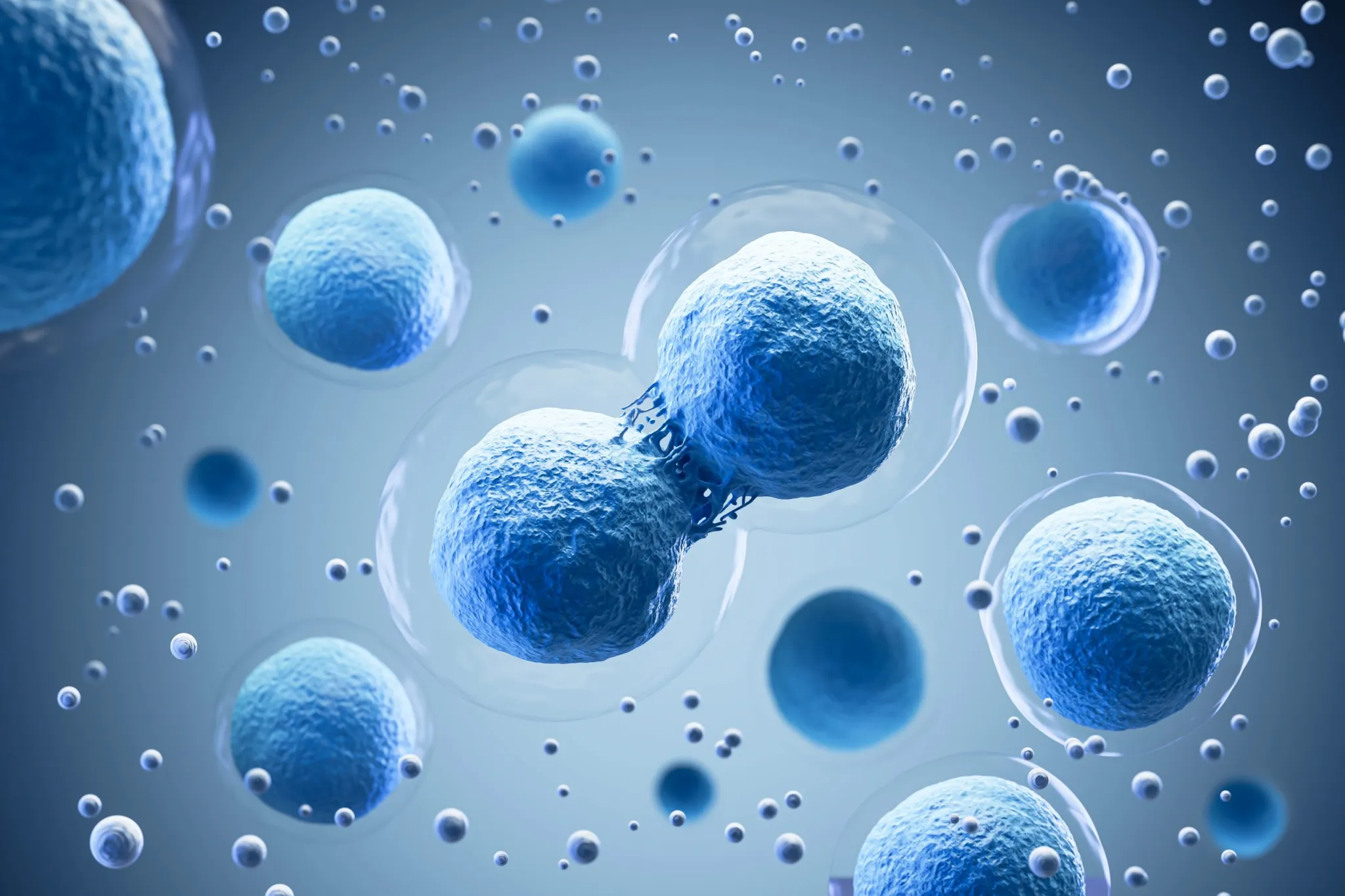
Stem cells are among the most remarkable and versatile cells in the human body. They sit at the heart of how we grow, heal, and repair ourselves, and they have become one of the most promising areas of modern medicine. Yet for many people, the term “stem cell” remains vague—something they’ve heard about in the news without fully understanding what it means. This overview breaks down what stem cells are, the different types that exist, how they work, and why they matter for the future of healthcare.
What Is a Stem Cell?
A stem cell is an unspecialized cell with two defining abilities that set it apart from every other cell in the body. First, it can renew itself through cell division, producing more stem cells over long periods. Second, under the right conditions, it can differentiate—transforming into specialized cell types such as muscle cells, red blood cells, nerve cells, or bone cells.
Most cells in the body have a fixed job. A skin cell stays a skin cell; a liver cell stays a liver cell. Stem cells are different because they remain “undecided,” holding the potential to become many things. This flexibility is what makes them so valuable, both for the body’s natural maintenance and for medical treatment.
Key Properties of Stem Cells
Two characteristics define stem cells and explain their unique role in biology:
Self-renewal is the capacity to divide and create identical copies of themselves. This ensures the body maintains a reserve of stem cells throughout life, ready to be called upon when tissues need repair or replacement.
Potency refers to a stem cell’s ability to differentiate into other cell types. Not all stem cells share the same potential, and scientists classify them according to how many different cell types they can become—ranging from cells that can form an entire organism to those limited to just a few related tissue types.
Types of Stem Cells
Stem cells are commonly grouped by their origin and their potency. Understanding these categories helps clarify why certain stem cells are used for specific treatments.
Embryonic Stem Cells
Embryonic stem cells are derived from early-stage embryos. They are described as pluripotent, meaning they can develop into nearly any cell type in the body. This broad potential makes them scientifically valuable for research, though their use also raises ethical considerations that continue to shape how they are studied and regulated.
Adult (Somatic) Stem Cells
Adult stem cells are found in developed tissues throughout the body, including bone marrow, blood, fat, and the brain. They are typically multipotent, meaning they can differentiate into a limited range of cell types related to their tissue of origin. For example, hematopoietic stem cells in bone marrow produce the various types of blood cells. These cells play an ongoing role in maintaining and repairing the tissues where they reside.
Induced Pluripotent Stem Cells (iPSCs)
Induced pluripotent stem cells are adult cells that scientists have reprogrammed in the laboratory to behave like embryonic stem cells. This breakthrough allows researchers to generate pluripotent cells without using embryos, opening new avenues for personalized medicine and disease modeling while sidestepping many ethical concerns.
Perinatal Stem Cells
Perinatal stem cells are found in amniotic fluid and umbilical cord blood. Cord blood stem cells, in particular, are already used in certain transplants and are often stored in banks for potential future medical use.
Understanding Potency
The concept of potency is central to how stem cells are classified and used:
- Totipotent cells can form all the cell types in the body plus the tissues needed to support development, such as the placenta. The fertilized egg is the classic example.
- Pluripotent cells can become almost any cell type in the body but cannot form supporting tissues on their own. Embryonic stem cells fall into this group.
- Multipotent cells can differentiate into a limited number of related cell types. Adult stem cells are usually multipotent.
- Oligopotent and unipotent cells have progressively narrower potential, with unipotent cells able to produce only one cell type.
Why Stem Cells Matter in Medicine
The therapeutic promise of stem cells comes from their ability to regenerate and repair. In medicine, this translates into several important applications.
Stem cell transplants—most famously bone marrow transplants—have been used for decades to treat blood and immune system disorders. By replacing damaged or diseased cells with healthy stem cells, doctors can restore normal function in patients whose own cells can no longer do the job.
One well-established example is the treatment of bone marrow failure conditions. For a closer look at how stem cell therapy is applied in this area, see this STEM CELL Overview and Definition resource on aplastic anemia, a disorder in which the bone marrow stops producing enough new blood cells.
Beyond transplantation, researchers are exploring stem cells for regenerative medicine—growing tissues to repair damaged organs, studying diseases in the laboratory, and testing new drugs on lab-grown human cells before trying them in patients. These areas remain active fields of research, with new discoveries continually expanding what may be possible.
The Road Ahead
Stem cell science continues to advance rapidly. While some treatments are already part of standard medical care, many potential applications are still being studied in clinical trials and require careful evaluation before they become widely available. Patients considering stem cell therapies should always consult qualified medical professionals and rely on established, evidence-based options.
For those seeking specialized care and information about stem cell treatments, Liv Hospital offers dedicated programs and expertise in this evolving field.
Conclusion
Stem cells are the body’s raw material—the foundational cells from which all specialized cells arise. Their unique abilities to self-renew and differentiate make them essential to how we grow and heal, and increasingly central to modern medical treatment. As research deepens our understanding, stem cells hold the potential to transform how we treat a wide range of conditions, from blood disorders to tissue damage. Understanding what stem cells are is the first step toward appreciating the possibilities they represent for the future of medicine.
Related Posts