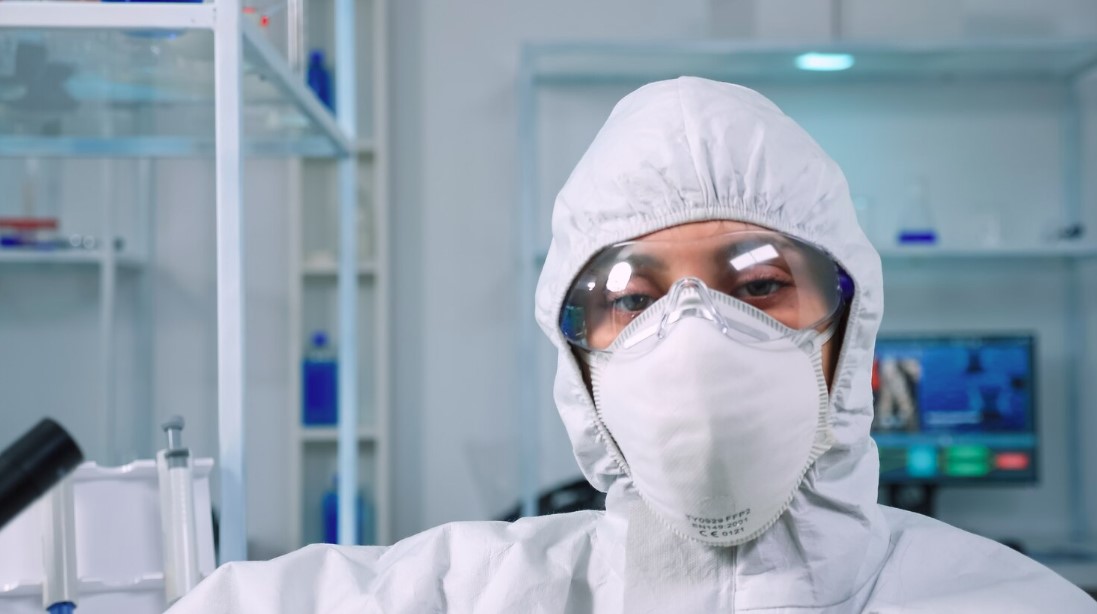
Cleanroom environments are designed to minimize contamination and maintain controlled conditions for sensitive manufacturing and research processes. In industries such as pharmaceuticals, biotechnology, medical devices, and advanced manufacturing, even small disruptions can affect productivity and product quality.
One often-overlooked challenge is fogging on protective eyewear. When safety goggles become fogged, workers may experience reduced visibility, discomfort, and interruptions. Anti-fog eye protection can help address this problem while supporting safer and more efficient cleanroom operations.
Why Does Eye Protection Fog in Cleanrooms?
Fogging occurs when warm, moist air comes into contact with a cooler lens surface. The resulting condensation forms tiny droplets on the lens, making it difficult to see clearly.
The problem can become more noticeable when workers wear multiple layers of PPE, including masks, respirators, hoods, and protective clothing. Changes in temperature and humidity can also contribute to condensation.
In a cleanroom, where workers may need to perform precise tasks for extended periods, reduced visibility can become more than just an inconvenience.
Why Is Clear Vision Important in Cleanroom Work?
Many cleanroom processes require accuracy and attention to detail. Workers may handle equipment, inspect products, operate machinery, or perform procedures that require clear visibility.
Fogged eyewear can:
- Reduce visual clarity
- Interrupt work
- Increase the need to adjust PPE
- Cause discomfort and eye strain
- Make detailed tasks more difficult
- Encourage workers to temporarily remove or reposition their eye protection
Maintaining clear vision therefore contributes to both workplace safety and operational efficiency.
How Does Anti-Fog Eye Protection Help?
Anti-fog eyewear is designed to reduce the accumulation of condensation on the lens. Depending on the product, this may involve specialized lens coatings, materials, ventilation systems, or a combination of technologies.
The goal is simple: help workers maintain clear vision while continuing to wear the required protective equipment.
For organizations evaluating specialized cleanroom eyewear, Klaritex offers protective eye solutions designed for controlled environments and different workplace requirements.
What Should You Look for in Anti-Fog Cleanroom Goggles?
Anti-fog performance should not be the only consideration when selecting cleanroom eye protection. Several other factors can affect how well the eyewear performs.
1. Lens Clarity
The lens should provide clear and consistent vision without significant distortion. This is particularly important for precision work and detailed inspections.
2. Ventilation
Goggle ventilation can influence airflow and condensation. Depending on the application, different ventilation designs may be appropriate.
However, ventilation must be evaluated alongside the cleanroom’s contamination-control requirements.
3. Comfort and Fit
Workers may need to wear protective eyewear for several hours. A secure but comfortable fit can help reduce pressure around the eyes and face.
The goggles should also work effectively with other PPE, such as masks, respirators, hoods, and face shields.
4. Lens and Frame Materials
Materials should be selected according to the required level of impact resistance, chemical resistance, durability, and cleanroom compatibility.
The appropriate choice depends on the environment and the hazards associated with the specific process.
5. Cleaning and Maintenance
Protective eyewear needs to remain clean and functional throughout its service life. Facilities should follow appropriate cleaning and maintenance procedures and avoid practices that could damage anti-fog coatings or lenses.
How Can Workers Reduce Goggles Fogging?
Anti-fog eyewear can help, but proper PPE practices are also important.
Workers and facility managers can consider:
- Ensuring goggles fit correctly
- Checking that masks and respirators are positioned properly
- Following the manufacturer’s cleaning instructions
- Avoiding unsuitable cleaning products
- Allowing eyewear to dry properly after cleaning
- Selecting eyewear designed for the specific working environment
- Replacing damaged or deteriorated lenses when necessary
For additional guidance, the Fog-Free Cleanroom Eyewear Guide provides useful information about factors that can contribute to fogging and ways to maintain clearer vision.
Why Anti-Fog Technology Matters for Modern Manufacturing
As pharmaceutical, biotechnology, semiconductor, and other advanced manufacturing environments become increasingly precise, reliable PPE is becoming an important part of operational efficiency.
Technology in protective eyewear is evolving alongside these environments. Improved lens materials, anti-fog technologies, ergonomic designs, and ventilation systems can help address common challenges associated with extended PPE use.
The objective is not simply to provide protection. Modern cleanroom eyewear should also support visibility, comfort, usability, and consistent PPE compliance.
Final Thoughts
Fogged protective eyewear can create unnecessary interruptions in a cleanroom environment. For workers performing detailed or precision-based tasks, maintaining clear vision is an important part of safe and efficient operations.
When selecting cleanroom eye protection, organizations should evaluate anti-fog performance alongside lens clarity, fit, ventilation, materials, cleaning requirements, and compatibility with other PPE.
Choosing the right eyewear can help workers maintain visibility while supporting the broader safety and contamination-control objectives of modern cleanroom environments.
Related Posts