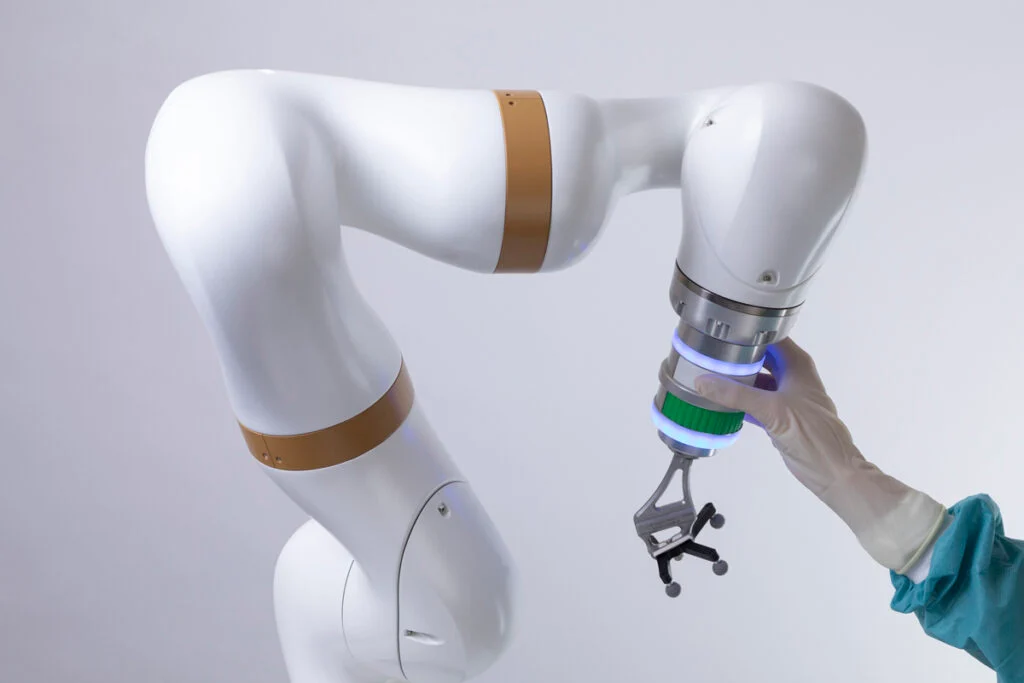
The landscape of medical interventions has undergone a profound transformation over the past two decades. Traditional open surgery, which typically requires large incisions and extended recovery periods, is rapidly being replaced by minimally invasive techniques. At the vanguard of this medical revolution is the integration of advanced robotics into the operating room. Leading healthcare institutions globally, such as Liv Hospital, are adopting these sophisticated platforms to elevate the standard of patient care and surgical outcomes. Among these pioneering technologies, modern robotic platforms are fundamentally altering how medical professionals approach complex procedures.
The Architecture of a Surgical Marvel
To fully appreciate the impact of this technology, it is essential to explore its mechanical and operational structure. A common misconception surrounding robotic interventions is that the machine operates autonomously. In reality, the platform functions entirely under the direct control of a highly trained physician. It acts as an intricate extension of the surgeon’s eyes and hands, translating human movements into hyper-precise micro-movements inside the patient’s body while electronically filtering out any natural hand tremors.
The system is constructed upon a tripartite architecture that communicates seamlessly:
- The Surgeon Console: Located just outside the sterile field, this command center is where the operating physician is seated. It features a stereoscopic viewer that provides a magnified, three-dimensional, high-definition view of the surgical site.
- The Patient Cart: Positioned directly alongside the operating table, this unit houses the interactive robotic arms. These arms hold specialized, wristed instruments that are inserted into the patient through minimal incisions.
- The Vision Cart: This component manages the complex communication between the console and the robotic arms, housing the advanced optical equipment and high-intensity light sources necessary to illuminate the operative field.
“Robotic platforms operate through a master-slave dynamic, meaning the technology instantaneously and flawlessly replicates every maneuver the surgeon executes with unparalleled stability.”
The Shift to Single-Port Procedures
While traditional robotic systems and laparoscopic approaches require four or five separate small incisions to insert the necessary instruments, modern iterations have pushed the boundaries of minimally invasive medicine even further. The introduction of single-port technology allows the entire surgical process to be managed through a solitary incision, typically measuring around 2.5 to 2.7 centimeters, often concealed within natural anatomical folds like the navel.
Through this single entry point, a sophisticated cannula deploys an articulating 3D high-definition endoscope alongside three multi-jointed surgical instruments. These specialized tools feature advanced articulation, allowing them to bend, rotate, and fan out within the body cavity, offering a range of motion that exceeds the natural capabilities of the human wrist. This single-port approach preserves healthy tissue and significantly reduces the physical footprint of the operation.
Optimizing Postoperative Recovery
The transition from conventional operative methods to single-port robotic techniques brings numerous physiological advantages for the patient. Because the procedure is performed through one small entry point rather than a major abdominal opening, the trauma inflicted on the surrounding muscles, nerves, and tissues is drastically minimized.
This reduction in tissue disruption plays a pivotal role in modern recovery protocols. For detailed insights into how minimally invasive techniques improve patient comfort, one can explore the protocols surroundingDa Vinci Robotic Surgery. By limiting the physical damage to the abdominal wall, patients routinely report significantly lower postoperative pain levels.
Feature
Traditional Open Surgery
Single-Port Robotic Surgery
Incision Profile
Large, often several inches
Single incision, ~2.5 centimeters
Pain Levels
High, requires heavy opioids
Minimal to moderate, managed easily
Blood Loss
Moderate to high
Minimal, transfusions rarely needed
Hospital Stay
Several days to weeks
Often 24 hours or same-day discharge
With the implementation of multimodal analgesia—using a combination of non-opioid medications, targeted local anesthetics, and early mobilization—patients are often able to bypass the heavy reliance on narcotic pain medications that historically accompanied major surgeries. The minimized systemic shock to the body allows for a rapid return to normal daily activities, regular eating and sleeping patterns, and professional responsibilities, accompanied by superior cosmetic results with virtually unnoticeable scarring.
Expanding Applications Across Medical Specialties
The versatility and meticulous precision of this surgical platform allow it to be utilized across a wide spectrum of medical disciplines. In urology, it has established itself as an exceptional tool for procedures like radical prostatectomies and kidney surgeries, where nerve preservation and working in confined pelvic spaces are critical.
Gynecological surgeons frequently employ the technology for intricate interventions, while general surgeons utilize the platform for complex colorectal resections, abdominal wall repairs, and cholecystectomies. Furthermore, its application is expanding into otolaryngology for transoral surgeries, allowing surgeons to reach the base of the tongue and other challenging anatomical structures without requiring external incisions on the face or neck.
As imaging modalities improve, artificial intelligence integrates into preoperative planning, and surgical instruments become even more refined, the role of robotics in the operating room will continue to expand. The ongoing synergy between human medical expertise and advanced technological precision guarantees that the trajectory of operative medicine will remain progressively safer, drastically less intrusive, and consistently focused on achieving the highest quality of life for patients worldwide.
Related Posts