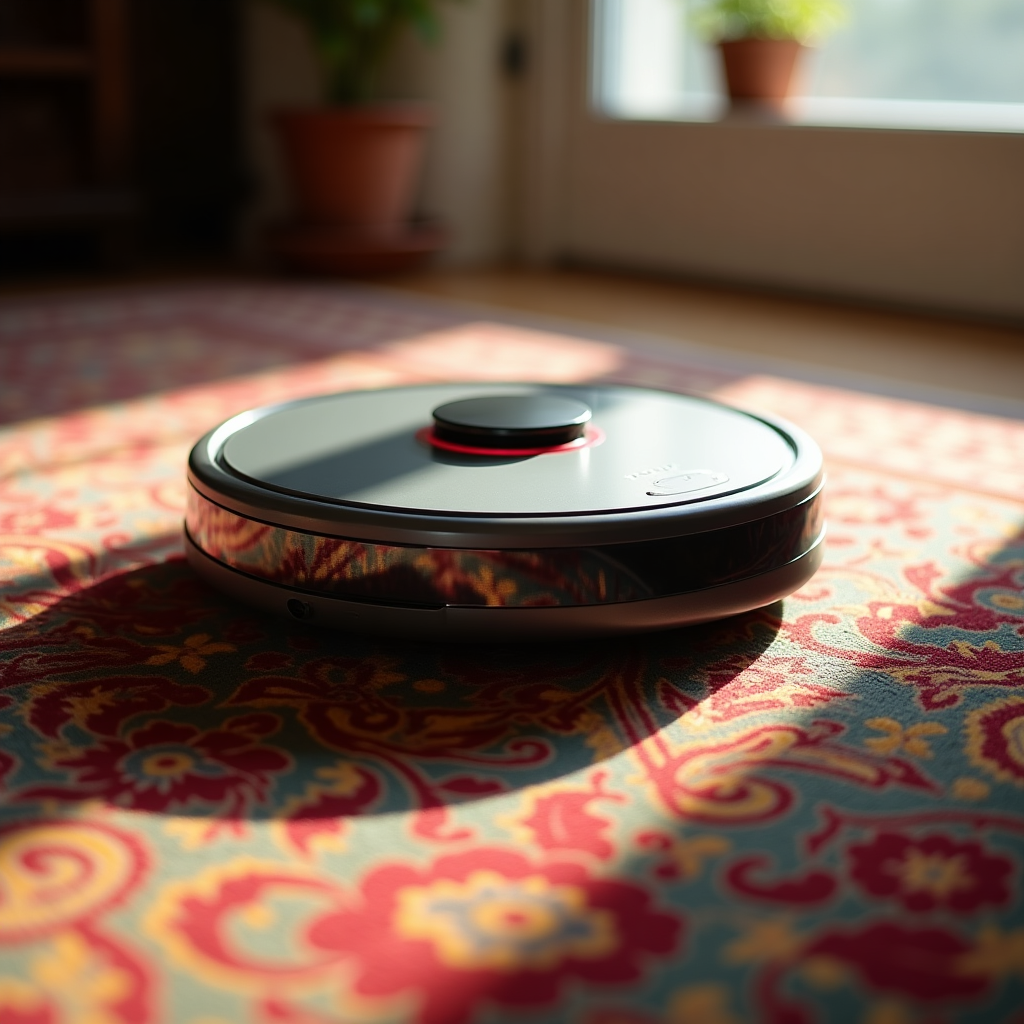
Carpet cleaning is one of the hardest jobs for a robot vacuum. Smooth floors are relatively easy: dust, crumbs, and hair sit on the surface and can be collected with steady suction and a decent brush. Carpet is different. Dirt gets trapped in fibers, pet hair wraps around brushes, and thicker rugs can slow down or confuse weaker robots. That is why choosing the Best Robot Vacuum for Carpet requires more careful comparison than simply buying the most popular model.
The first feature to evaluate is suction power, but suction alone does not tell the whole story. A robot vacuum may advertise a high Pa rating, yet still perform poorly if its brush system cannot agitate carpet fibers effectively. For carpet, the best models usually combine strong suction with a well-designed main brush, good airflow, and a cleaning path that can repeatedly cover high-traffic areas. Anti-tangle brush design is also important, especially for homes with pets or long hair.
Navigation is another major factor. Carpeted rooms often include furniture, rugs, cables, pet toys, and uneven transitions between floor types. A robot vacuum with LiDAR, camera-based obstacle detection, or a hybrid navigation system is usually better at planning efficient routes and avoiding repeated collisions. This matters because carpet cleaning often requires consistent coverage rather than quick surface passes.
Battery life also becomes more important on carpet. Cleaning carpet generally uses more power than cleaning hard floors, especially if the robot automatically increases suction on rugs. A model that performs well on paper may struggle in a larger home if it cannot finish a full carpeted area before returning to charge. Recharge-and-resume capability can help, but buyers should still consider whether the robot has enough battery life for their space.
For households with pets, carpet cleaning becomes even more demanding. Pet hair can cling to fibers and collect around edges, under furniture, and near sofas or beds. The best robot vacuums for carpet should offer strong pickup, reliable edge cleaning, a brush that resists tangling, and ideally a self-emptying dock. Self-emptying is not just a convenience feature; it helps maintain suction consistency by reducing the chance that the onboard dustbin becomes full during a cleaning cycle.
Mopping features should be evaluated carefully. Many premium robot vacuums now include advanced mopping systems, but carpeted homes need a robot that can manage mop pads intelligently. Auto mop lifting, carpet detection, no-mop zones, or detachable mop systems can prevent wet pads from dragging across carpet. If your home has both carpet and hard floors, this is one of the most important differences between a good all-in-one model and a frustrating one.
Price is another consideration. The most expensive robot vacuum is not always the best choice for carpet. Some flagship models are designed around premium mopping, hot-water washing, or advanced docking systems, which may be less valuable if your home is mostly carpet. A carpet-focused buyer should prioritize vacuuming performance, brush design, navigation, and dust handling before paying extra for advanced mopping features.
This is why comparison tools are useful. Instead of relying on a single product page, shoppers can compare specifications, use cases, brands, and alternatives side by side. A dedicated guide such as Best Robot Vacuum for Carpet can help narrow the field by focusing on the features that matter most for rugs, medium-pile carpet, pet hair, and mixed-floor homes.
Ultimately, the best robot vacuum for carpet is the one that matches your floor type, room layout, cleaning frequency, and maintenance expectations. Look for strong suction, a capable brush system, smart navigation, carpet detection, reliable battery life, and a dock that fits your lifestyle. With the right comparison process, buyers can avoid overpaying for unnecessary features and choose a robot vacuum that keeps carpet cleaner with less daily effort.
Related Posts