
Blogs

Dirty Patio Furniture: Clean Surfaces Without Damaging Finishes
Dirty patio furniture doesn’t always need aggressive scrubbing. In fact, using a cleaner or brush that is too harsh can cause more lasting damage than the dirt itself. The safer approach is to identify the material first, begin with mild cleaning, and increase cleaning strength only when the surface can tolerate it. Identify the Furniture […]
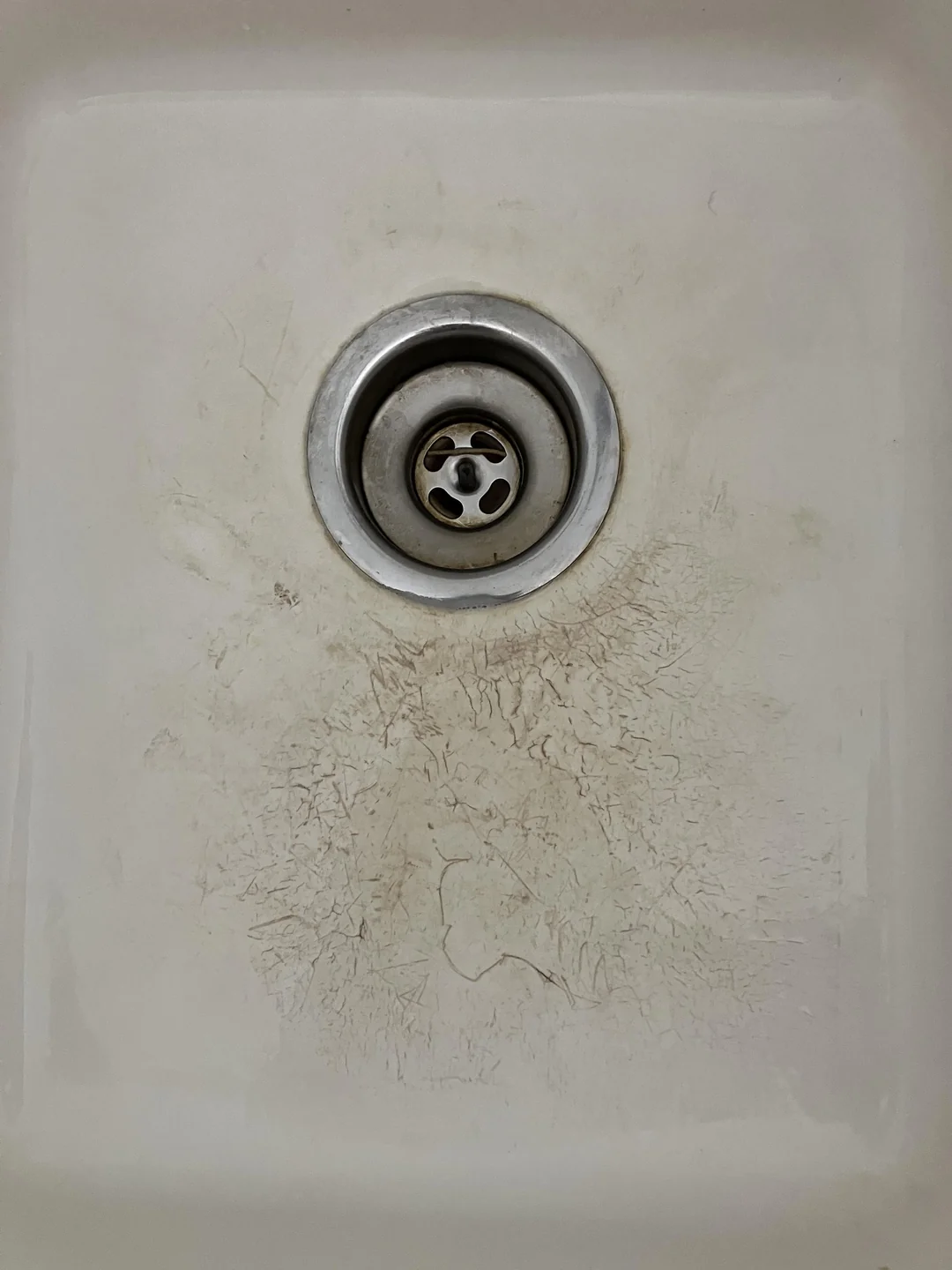
Stained Ceramic Sinks: Clean Marks Without Scratching Surfaces
A stained ceramic sink can look permanently damaged even when the discoloration is sitting mainly on the surface. The challenge is removing marks without turning an easy cleaning job into scratches, dull patches, or damaged glaze. Starting gently matters. Stronger scrubbing isn’t automatically better, particularly when the sink’s finish is still in good condition. Identify […]
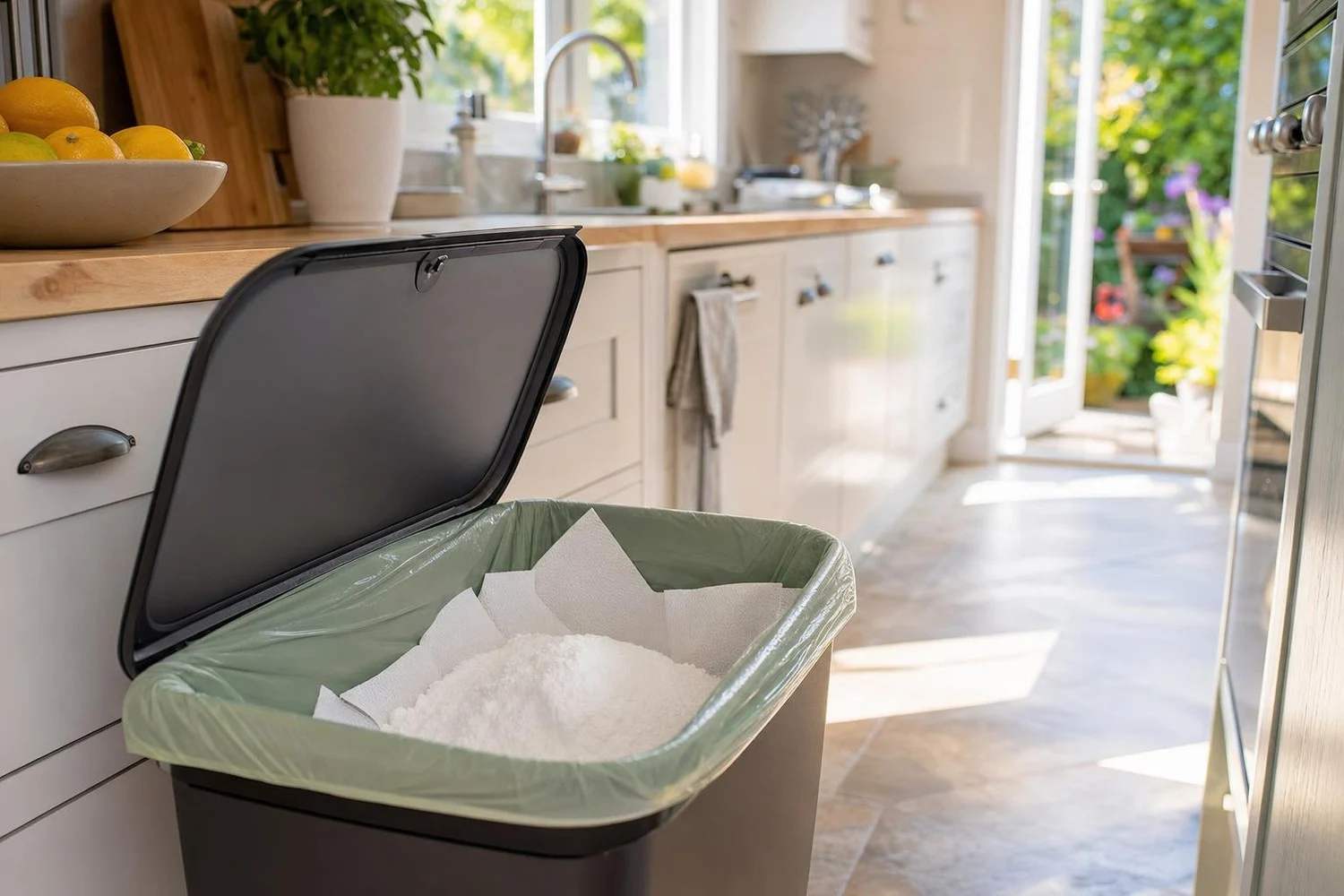
Smelly Kitchen Bins: Clean Containers and Control Odors
Smelly kitchen bins usually need more than a fresh trash bag. Food residue, leaking liquids, damp packaging, and buildup around the lid or base can keep producing odors even after the rubbish has been removed. Cleaning the container itself and changing a few disposal habits can keep unpleasant smells from returning so quickly. Find Where […]

Growing Utility Charges – Find Waste Around Your Home
Higher utility bills are frustrating when your daily habits do not seem to have changed. Growing utility charges can come from seasonal weather, rate changes, inefficient equipment, unnoticed water use, or small energy losses occurring throughout the house. Before replacing appliances or making expensive upgrades, look for measurable waste and compare current usage with earlier […]

Poor Monthly Budget: Adjust Categories Around Real Spending
A poor monthly budget often fails because it describes ideal spending instead of actual spending. Categories may look sensible on paper while ignoring irregular bills, small repeated purchases, seasonal costs, or the real amount a household spends on food and transportation. A useful budget begins with evidence. Review what happened to your money before deciding […]

Poor Expense Tracking – Know Where Your Money Goes
Money can disappear surprisingly quickly when purchases aren’t recorded or reviewed. Poor expense tracking makes it difficult to understand whether everyday spending, recurring subscriptions, debt payments, or occasional large purchases are putting the most pressure on your budget. You don’t need an elaborate spreadsheet to improve. A simple system used consistently usually provides more value […]
Poor Loan Comparison: Review Total Costs Before Borrowing
The lowest advertised interest rate does not automatically identify the least expensive loan. Fees, loan length, payment structure, and other charges can change the total amount a borrower ultimately pays. A stronger loan comparison looks beyond the headline rate and examines the complete borrowing cost before any agreement is signed. Start With Comparable Loan Offers […]
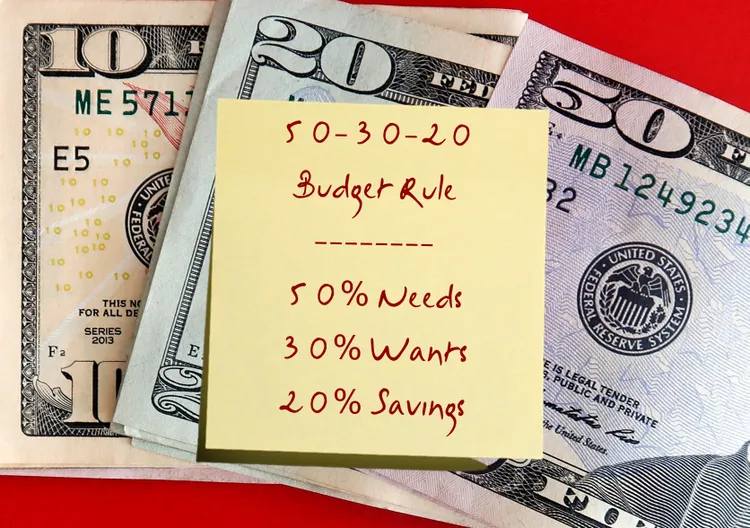
Poor Banking Habits: Review Statements for Unnecessary Charges
Poor banking habits can quietly cost money when account statements go unread for months. Small maintenance fees, subscriptions, duplicate charges, overdraft costs, and forgotten services may continue unnoticed simply because nobody reviews the transactions. A monthly statement check creates a simple checkpoint. It helps you understand where money went, catch unfamiliar activity, and decide whether […]

Poor Financial Organization: Keep Records in Clear Categories
Poor financial organization often develops quietly. Receipts land in several places, statements remain scattered across accounts, and important documents become difficult to locate when they’re actually needed. A simple category system can reduce that friction by giving every financial record a predictable home. Create Categories Based on Real Financial Tasks Avoid building twenty folders simply […]
High Monthly Subscriptions – Remove Services You Never Use
High monthly subscriptions can quietly consume more of a household budget than expected because each individual charge often appears small. The fastest way to reduce the total is to identify recurring payments, separate useful services from forgotten ones, and cancel subscriptions that no longer provide enough value. Find Every Recurring Charge First Start with recent […]