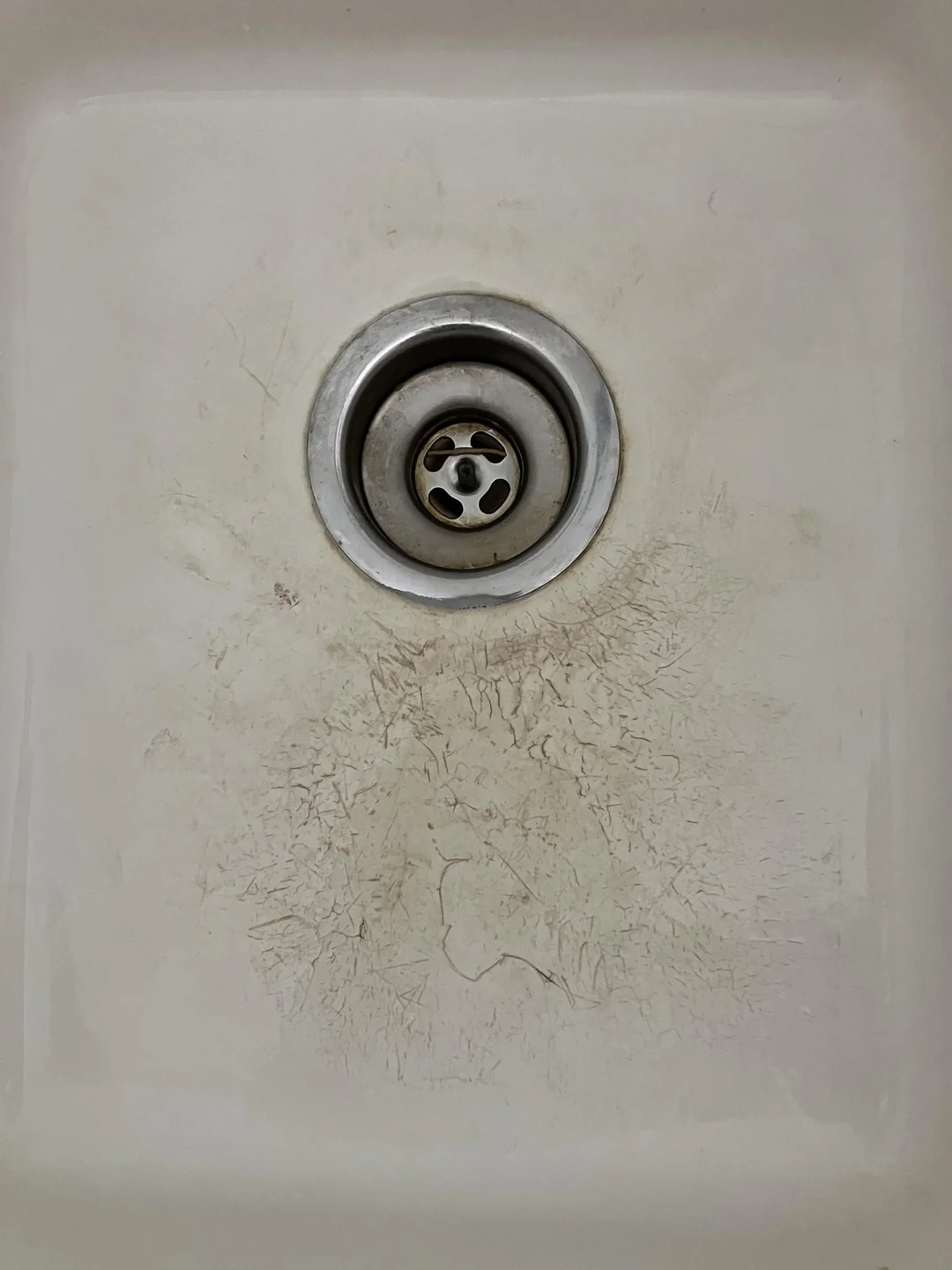
A stained ceramic sink can look permanently damaged even when the discoloration is sitting mainly on the surface. The challenge is removing marks without turning an easy cleaning job into scratches, dull patches, or damaged glaze.
Starting gently matters. Stronger scrubbing isn’t automatically better, particularly when the sink’s finish is still in good condition.
Identify the Mark Before Scrubbing Harder
Ceramic sinks collect several kinds of marks. Soap residue, toothpaste, mineral deposits, cosmetic products, food stains, and metal contact can all leave different-looking patches.
A useful cleaning habit is testing the mildest reasonable method first. People interested in practical household problem solving may see countless cleaning suggestions, but identifying what you’re dealing with reduces unnecessary experimentation.
Metal Marks May Not Be Deep Scratches
Gray or dark lines from cookware, tools, jewelry, or other metal objects can resemble scratches. Sometimes the visible mark is material transferred onto the glazed surface rather than damage cut into the ceramic itself.
That distinction matters because aggressive abrasion can create real surface damage while trying to remove a superficial mark.
Start With Mild Cleaning
Remove loose dirt first and rinse the basin. A soft sponge or microfiber cloth with mild dish soap is a sensible starting point for everyday residue.
For tougher marks, move gradually rather than immediately reaching for the harshest product available. Household-focused cleaning and care ideas can inspire different approaches, but any cleaner should be appropriate for the specific sink finish.
| Type of Mark | First Approach | What to Avoid |
|---|---|---|
| Soap film | Mild soap and soft cloth | Heavy abrasion |
| Water deposits | Suitable mild descaler | Prolonged harsh chemicals |
| Metal marks | Gentle targeted cleaning | Steel wool |
| General grime | Non-scratch sponge | Sharp scraping tools |
Use Abrasion Carefully
Ceramic itself is hard, but the visible glazed finish still deserves care. Steel wool, rough scouring pads, abrasive powders, and sharp tools can leave scratches or dull the shine.
Test unfamiliar methods on a small, less-visible area first. Broader home care references can be useful when comparing cleaning approaches, although manufacturer instructions should take priority when available.
Let the Cleaner Do Some Work
People often compensate for short contact time by scrubbing harder. Giving an appropriate cleaner time to loosen residue can reduce the amount of physical force needed.
Do not leave a product sitting indefinitely. Follow its directions, rinse thoroughly, and never mix cleaning chemicals casually.
Prevent New Stains From Settling In
Drying or rinsing the sink after messy use can prevent residue from becoming harder to remove later. Toothpaste, cosmetics, coffee, tea, food sauces, and mineral-rich water all become more noticeable when repeatedly allowed to dry on the surface.
A quick routine is easier than occasional heavy restoration. Keep a soft cloth nearby and deal with visible marks before layers begin building on top of one another.
Cleaning Mistakes That Create Bigger Problems
The most common error is assuming that a stubborn stain needs a rougher tool. Increased friction may remove the mark while also changing the finish around it.
Another mistake is combining products in hopes of making them stronger. Some household chemicals should never be mixed because dangerous fumes or reactions can result. Stick to one compatible method at a time, rinse between products, and follow label safety instructions rather than improvising chemical combinations.
Frequently Asked Questions
Can I use a scouring pad on a ceramic sink?
Only use a pad clearly described as safe for the surface. Rough pads can scratch or dull a glazed finish, especially when strong pressure is applied repeatedly.
Why does my ceramic sink keep getting gray marks?
Metal objects rubbing against the sink can leave transfer marks. These may look like scratches even when the ceramic surface itself has not been deeply damaged.
How can I keep a white ceramic sink looking clean?
Rinse residue promptly, wipe the basin regularly, and avoid letting strongly colored materials sit for long periods. Routine gentle cleaning usually reduces the need for aggressive scrubbing later.
Keep the Finish, Not Just the Clean Look
Treat stains as a cleaning problem first, not a reason to attack the surface. Begin with mild soap, soft tools, and a little patience before moving to stronger methods suited to the specific material.
The best result isn’t simply a stain-free sink. It’s a clean sink that still has the smooth finish you were trying to protect.
Related Posts