For the past few years, the artificial intelligence conversation in the North American tech ecosystem has been heavily dominated by Large Language Models (LLMs) and text generation. While automating copywriting and coding has undoubtedly streamlined business operations, the true frontier of digital engagement is not text—it is visual.
As we navigate through 2026, consumer attention spans are shorter than ever, and digital real estate is highly saturated. Whether you are a startup in Toronto trying to disrupt the e-commerce space or an established media agency in Vancouver scaling global ad campaigns, text alone will not stop the scroll. The modern digital economy demands a continuous stream of high-fidelity, hyper-relevant visual content.
However, the traditional pipeline for visual production has long been the most restrictive bottleneck for growth-focused marketing teams. Today, generative AI is dismantling that bottleneck entirely.
The High Cost of the Visual Bottleneck
Historically, brands faced a difficult trilemma when it came to visual content: quality, speed, or cost—you could only pick two.
Hiring professional photographers, art directors, and videographers guarantees quality but decimates marketing budgets and severely limits the speed of content output. Conversely, relying on stock photo and video libraries is cheap and fast, but it actively harms a brand’s unique identity. Furthermore, modern search engine algorithms—which increasingly prioritize “Helpful, Original Content”—actively penalize websites that rely heavily on duplicated stock imagery. When your website uses the exact same visual assets as a hundred other competitors, your SEO performance inevitably suffers.
To survive in today’s algorithmic landscape, businesses need a solution that provides high-quality, completely original visual assets at scale.
The Leap Forward: AI-Driven Static Imagery
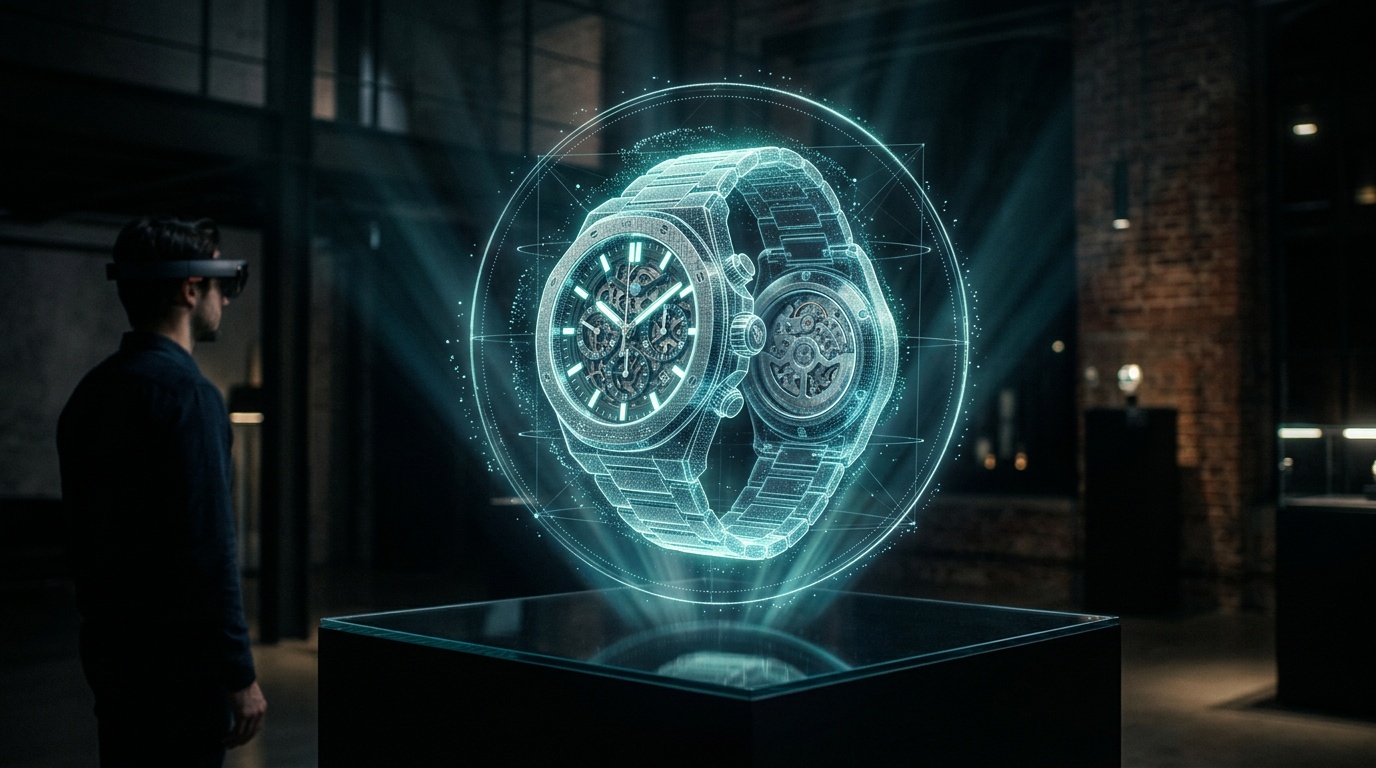
The solution has arrived in the form of purpose-built, commercial-grade generative AI. We have moved far beyond the days of AI producing distorted images with extra fingers. Today’s models understand complex lighting, architectural geometry, and specific brand aesthetics.
Marketing operators no longer need to compromise. By integrating a highly advanced platform like Grok Imagine into their tech stack, digital marketers can instantly generate bespoke visual assets tailored to exact campaign specifications.
Need a photorealistic image of a new product placed in a cozy, modern living room? Need high-contrast, cyberpunk-themed headers for a new tech blog? Instead of spending hours hunting for the “least bad” stock photo, a creator can simply engineer a precise text prompt and let the AI render a masterpiece in seconds. Because every image generated is fundamentally unique, businesses can populate their websites and social feeds with 100% original content, directly improving their visual search SEO and driving organic traffic.
Capturing Attention with AI Motion Graphics
While static imagery forms the foundation of web design and content marketing, motion is the undisputed king of social media engagement. Platforms like TikTok, YouTube Shorts, and Instagram Reels dictate modern consumer behavior.
If generating high-quality static images was historically difficult, producing commercial video content was nearly impossible for small-to-medium enterprises due to the exorbitant costs of production and editing software. However, the AI revolution is moving at a breakneck pace, and generative video has officially reached commercial viability.
Through the use of cutting-edge text-to-video tools like Grok Video AI, the barrier to entry for professional video marketing has been completely shattered. Businesses can now generate dynamic b-roll footage, engaging product explainers, and cinematic ad sequences just by typing a descriptive prompt. This allows lean marketing teams to aggressively A/B test video ads on social media platforms without draining their quarterly budgets on a single video shoot.
The Future of the Creative Tech Stack
The integration of artificial intelligence into visual production is not a fleeting trend; it is a permanent paradigm shift in how digital businesses operate.
The companies that will dominate search engine results pages (SERPs) and social media feeds in the coming years are those that view AI not as a threat, but as an essential creative co-pilot. By adopting sophisticated AI image and video generation tools today, forward-thinking brands are eliminating their production bottlenecks, securing their SEO rankings with original content, and capturing consumer attention faster and more effectively than ever before.
Related Posts