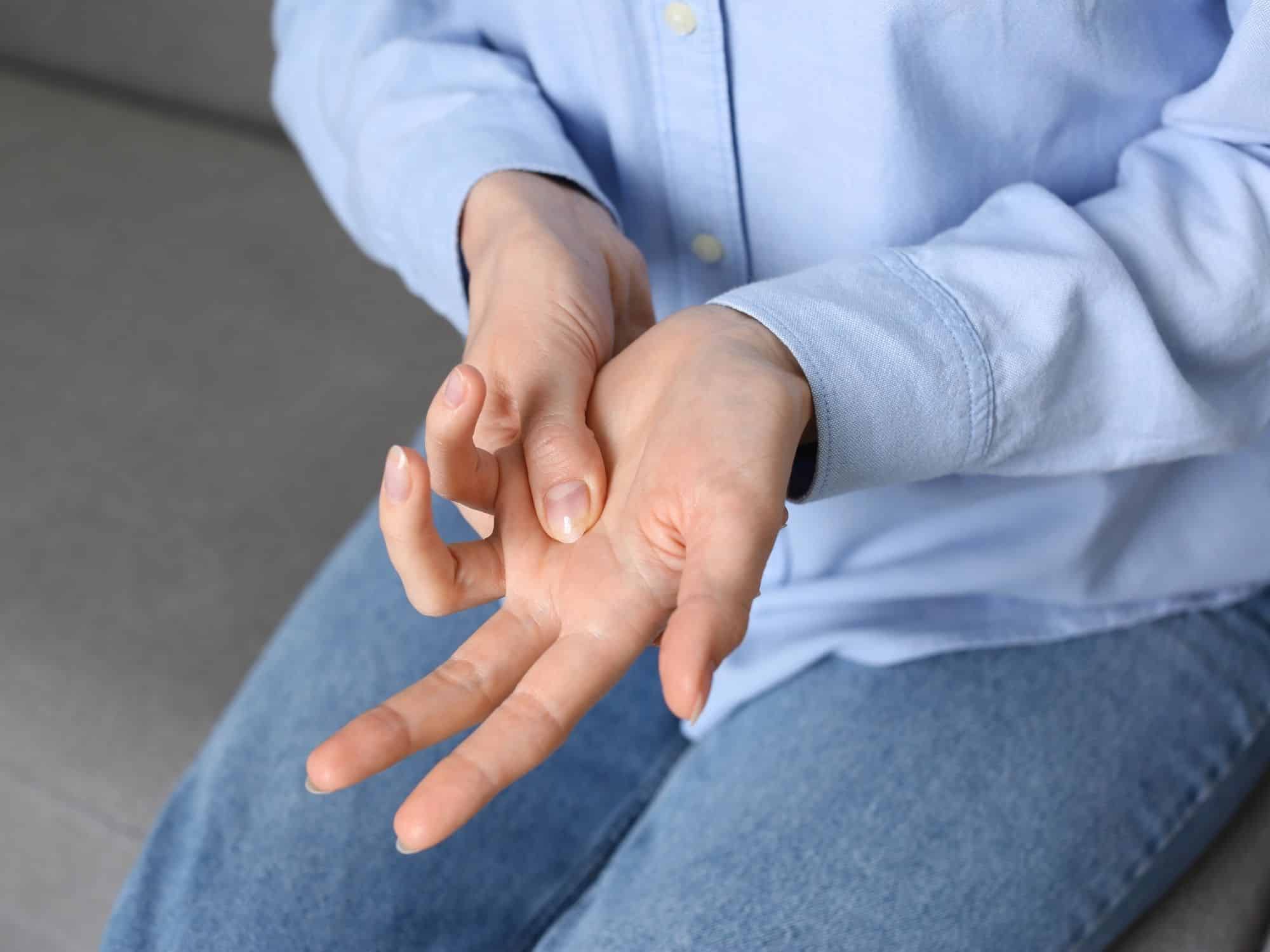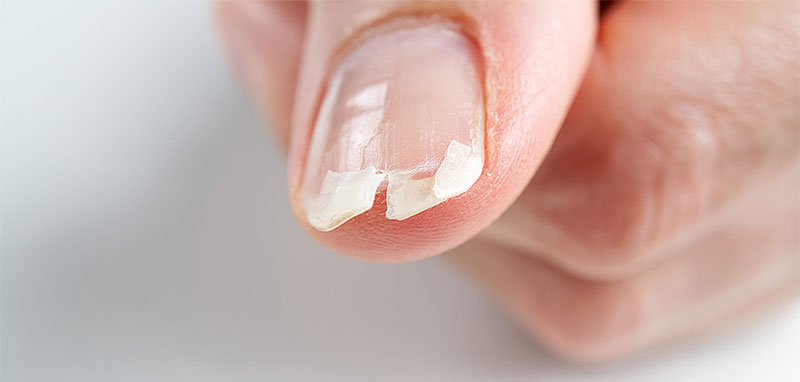
Nails that constantly peel, split, or snap may be dealing with more stress than they can tolerate. Repeated water exposure, picking, cleaning chemicals, manicures, trauma, and using nails as tools can gradually weaken the nail plate.
The useful first step is often reducing repeated damage rather than searching immediately for a supplement or complicated strengthening routine.
Look at Everyday Nail Stress First
Nails repeatedly expand and contract when exposed to water and then dried. Frequent wet work can therefore contribute to peeling and breaking.
The American Academy of Dermatology recommends protecting nails from excessive water and avoiding habits such as using fingernails to open containers. Keeping nails appropriately trimmed can also reduce snagging.
Broader body-health information can provide useful reading, but the pattern of your daily nail exposure often gives the most practical starting point.
Reduce Mechanical Damage
Keep fragile nails relatively short until the damaged portion grows out. Smooth rough edges before they catch on fabric or objects, and avoid peeling layers away manually.
The AAD recommends filing uneven edges in one direction and leaving cuticles intact because cuticles help protect the nail root.
While browsing care-focused reading, remember that protecting a damaged nail consistently is usually more useful than repeatedly covering the problem with cosmetic treatments.
Moisture and Chemical Exposure Matter
Moisturizing the hands can also help keep surrounding nail tissue from becoming excessively dry. Gloves are useful during dishwashing or cleaning because they limit prolonged water and chemical exposure.
Artificial nails deserve attention too. Filing, removal, acetone exposure, and repeated touch-ups can leave natural nails thinner or more brittle. The AAD specifically warns that artificial nail procedures can worsen already damaged nails.
That makes periods without artificial enhancements sensible when nail breakage has become persistent. General wellness reading shouldn’t replace examination when the nail itself is changing shape or color.
| Nail Change | Possible Context | Practical Response |
|---|---|---|
| Splitting tips | Repeated wetting or trauma | Keep nails shorter |
| Peeling layers | Water or cosmetic damage | Reduce exposure |
| Snagging edges | Uneven nail surface | File gently |
| Repeated breakage | Multiple possible causes | Track changes |
Don’t Assume Every Brittle Nail Needs Supplements
Brittle nails can occur with normal aging and repeated environmental damage, but medical conditions can sometimes contribute. MedlinePlus notes associations with factors including thyroid disorders and certain nutritional problems.
That doesn’t mean breaking nails automatically indicate a deficiency. Taking supplements without identifying a deficiency may not address the actual cause. Nail-care habits, occupational exposure, cosmetic procedures, medications, and other health changes should all be considered in context.
Which Nail Changes Should Be Checked?
See a clinician or dermatologist if nail problems involve significant pain, swelling, persistent separation from the nail bed, unusual thickening, marked color changes, or a new unexplained change in nail shape.
The American Academy of Dermatology’s healthy-nail guidance also recommends professional evaluation when nails change, swell, or become painful.
An injured nail with severe pain or extensive dark discoloration after trauma may require faster assessment rather than cosmetic repair.
Frequently Asked Questions
Why do my fingernails keep splitting at the ends?
Repeated water exposure, dryness, mechanical stress, picking, and cosmetic procedures can contribute. Keeping nails shorter and reducing repetitive damage may help while healthier nail grows forward.
Does nail polish cause brittle nails?
Long-term polish use and the removal process can contribute to dryness or peeling in some people. Artificial nail procedures may create additional thinning and mechanical damage.
Should brittle nails always be tested for vitamin deficiency?
No. Many brittle-nail problems have environmental or age-related causes. Testing may be considered when other symptoms, medical history, or persistent unexplained nail changes suggest a broader health issue.
Protect New Nail as It Grows
Broken nail cannot be instantly restored to its original structure, so prevention matters while new nail grows. Keep nails clean, reasonably short, moisturized, and protected from repeated wet work and trauma. If the pattern is persistent or accompanied by pain, discoloration, thickening, or shape changes, arrange an examination instead of repeatedly covering the problem.
This article is for general informational purposes and is not a substitute for professional medical advice, diagnosis, or treatment.
Related Posts