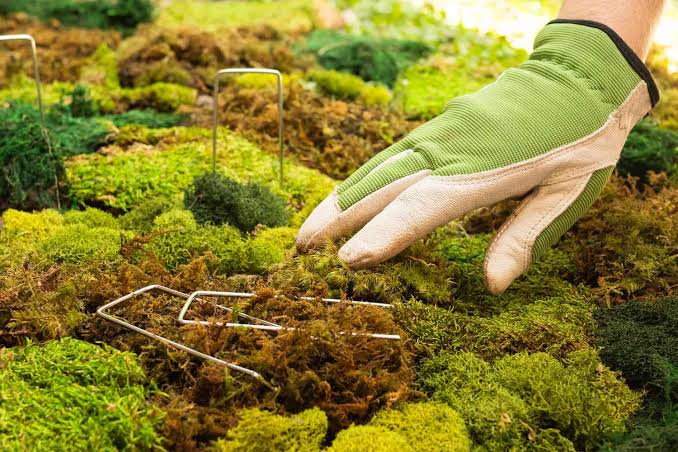
Moss on a garden path can make stone, concrete, brick, and paving surfaces slippery, particularly after rain. Removing the visible growth helps, but the problem often returns unless excess shade, moisture, or drainage issues are also addressed.
A durable solution combines careful cleaning with changes that make the path less favorable to new moss.
Find Out Why Moss Keeps Returning
Moss thrives where surfaces remain damp and receive limited sunlight. Overhanging shrubs, blocked drainage channels, leaking irrigation, and compacted soil beside the path can all contribute.
North-facing areas and paths under mature trees may remain naturally damp for longer periods, so complete prevention isn’t always realistic.
| Condition | Why It Matters | Possible Improvement |
|---|---|---|
| Heavy shade | Slows drying | Selective pruning |
| Standing water | Keeps surface wet | Improve drainage |
| Soil runoff | Holds moisture | Edge the path |
| Dense moss | Reduces grip | Clean surface |
Remove Loose Growth First
Begin with a stiff outdoor brush or suitable scraper. Mechanical removal may be enough for light growth and avoids introducing unnecessary cleaning chemicals.
Garden maintenance is often treated separately from other household care tasks, yet the same principle applies: start with the least aggressive method likely to work.
Wear footwear with reliable traction while cleaning. Moss becomes particularly slick once it is wet and disturbed.
Choose Cleaning Methods for the Surface
Different paving materials tolerate different treatments. Natural stone, painted surfaces, old brick, and concrete may react differently to commercial moss removers or pressure cleaning.
People developing broader garden design ideas should consider maintenance requirements when selecting path materials in the first place. Highly textured surfaces may offer good traction but can also trap organic material.
Before applying any product, confirm that it is appropriate for the paving material and surrounding plants.
Improve Sunlight and Air Movement
Selective pruning can help a path dry faster without stripping the garden of valuable shade. Remove low branches or dense growth only where it makes horticultural and practical sense.
Paths also form part of the garden’s visual structure. Coordinating edging, paving, walls, and planting through thoughtful surface design choices can create a cleaner look while keeping wet soil from constantly spilling onto the walkway.
Avoid removing healthy plants purely to chase perfect dryness. The goal is better conditions, not a bare garden.
Keep Edges From Holding Water
Soil that sits above the path edge may continually wash onto paving during rain. Regrading small areas or creating a defined edge can reduce this problem.
Also check whether nearby downpipes, sprinklers, or hose connections regularly wet the same section.
Make the Path Safer Between Cleanings
A path doesn’t need to be completely covered in moss before it becomes slippery. Small patches in shaded steps, slopes, and turning points can create the greatest fall risk.
Sweep leaves and debris frequently because they retain moisture. Pay special attention during cool, wet periods when surfaces take longer to dry.
Repair uneven or sunken paving if water consistently collects there.
Where Moss Removal Often Goes Wrong
Repeatedly blasting a path with excessive pressure can damage joints, loosen surface material, or leave some paving rougher than before. Chemical treatments can also affect plants or waterways when used carelessly.
Another mistake is cleaning the path without correcting obvious drainage problems. The surface may look excellent for several weeks, only for moss to return because the moisture conditions never changed.
Cleaning treats the growth. Site conditions influence whether it comes back.
Frequently Asked Questions
Is moss on a garden path dangerous?
It can reduce traction, especially when wet. Risk is greater on steps, slopes, smooth paving, and routes frequently used by children, older adults, or anyone with limited mobility.
Can pressure washing remove moss?
It can remove moss from some durable surfaces, but excessive pressure may damage paving, mortar, joints, or nearby materials. Check the surface’s cleaning requirements first.
How can I stop moss returning naturally?
Improving drainage, removing accumulated leaves, increasing light where practical, reducing overspray from irrigation, and keeping soil from washing onto the path can make conditions less favorable.
Fix the Damp Conditions as Well as the Moss
Removing moss is only half the job. Inspect the path after rainfall and notice where water lingers, shade is deepest, or soil repeatedly washes onto the surface.
Correcting even one of those conditions can extend the time between cleanings. A path that dries efficiently is easier to maintain and generally provides better grip during wet weather.
Related Posts