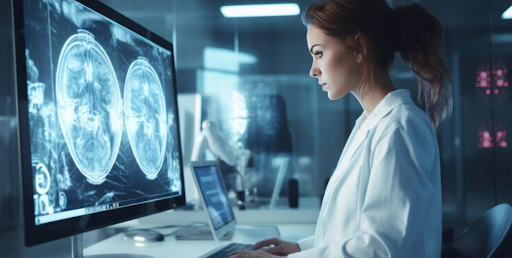
Medical imaging plays an important role in modern healthcare by helping doctors understand the human body and identify different medical conditions. Technologies such as MRI, CT scans, X-rays, and ultrasound provide valuable information that supports medical decisions. As technology continues to advance, artificial intelligence (AI) is becoming an important part of this field. Medical imaging AI research is helping develop smarter imaging tools that can support healthcare professionals, improve image analysis, and create new opportunities for medical diagnosis and treatment.
Improving Medical Image Analysis
One of the main goals of medical imaging AI research is to improve how medical images are studied and understood. AI systems can examine large amounts of imaging data and identify important patterns within them. These systems can help doctors review images more efficiently and gain useful information about different body structures. By supporting image analysis, AI technology is helping make medical imaging more advanced and useful in everyday healthcare.
Supporting More Accurate Medical Diagnosis
Artificial intelligence is creating new opportunities for doctors to understand medical images with greater detail. AI-powered tools can help identify specific features in scans and provide additional information for clinical evaluation. Medical imaging AI research focuses on developing systems that support healthcare professionals in recognizing patterns and assessing imaging results. These technologies can contribute to informed medical decisions while allowing doctors to combine advanced computer analysis with their professional knowledge.
Making Medical Imaging More Efficient
Efficiency is another important area influenced by medical imaging AI research. Modern healthcare facilities handle many imaging examinations every day, making efficient image processing essential. AI-powered systems can assist with organizing imaging data, highlighting relevant areas, and supporting routine image analysis tasks. These capabilities can help medical professionals manage their workloads and spend more time reviewing important findings and discussing care options with patients.
Advancing Personalized Healthcare
Every patient has different medical needs, and personalized healthcare aims to provide care based on individual circumstances. Medical imaging AI research is helping develop technologies that can analyze imaging information alongside other patient data. This approach may support more detailed assessments and help doctors understand individual health conditions. By providing useful insights from medical images, AI can contribute to treatment planning that reflects each patient’s needs and medical history.
Encouraging Innovation in Medical Imaging Technology
Continuous research is bringing new ideas and capabilities to medical imaging equipment and software. Researchers are exploring advanced machine learning methods, deep learning models, and automated image processing systems. Medical imaging AI research also encourages cooperation between technology developers, medical researchers, and healthcare professionals. Their combined knowledge helps create innovative tools that can support different imaging methods and improve the overall medical imaging process.
Conclusion
Medical imaging AI research is playing an important role in shaping the future of healthcare technology. From improving image analysis and supporting diagnosis to advancing personalized care and encouraging innovation, AI is creating valuable opportunities for medical imaging. As research continues, these technologies are expected to become an increasingly important part of modern healthcare. Combining artificial intelligence with medical expertise can help build a more advanced, efficient, and patient-focused medical imaging environment.
Related Posts