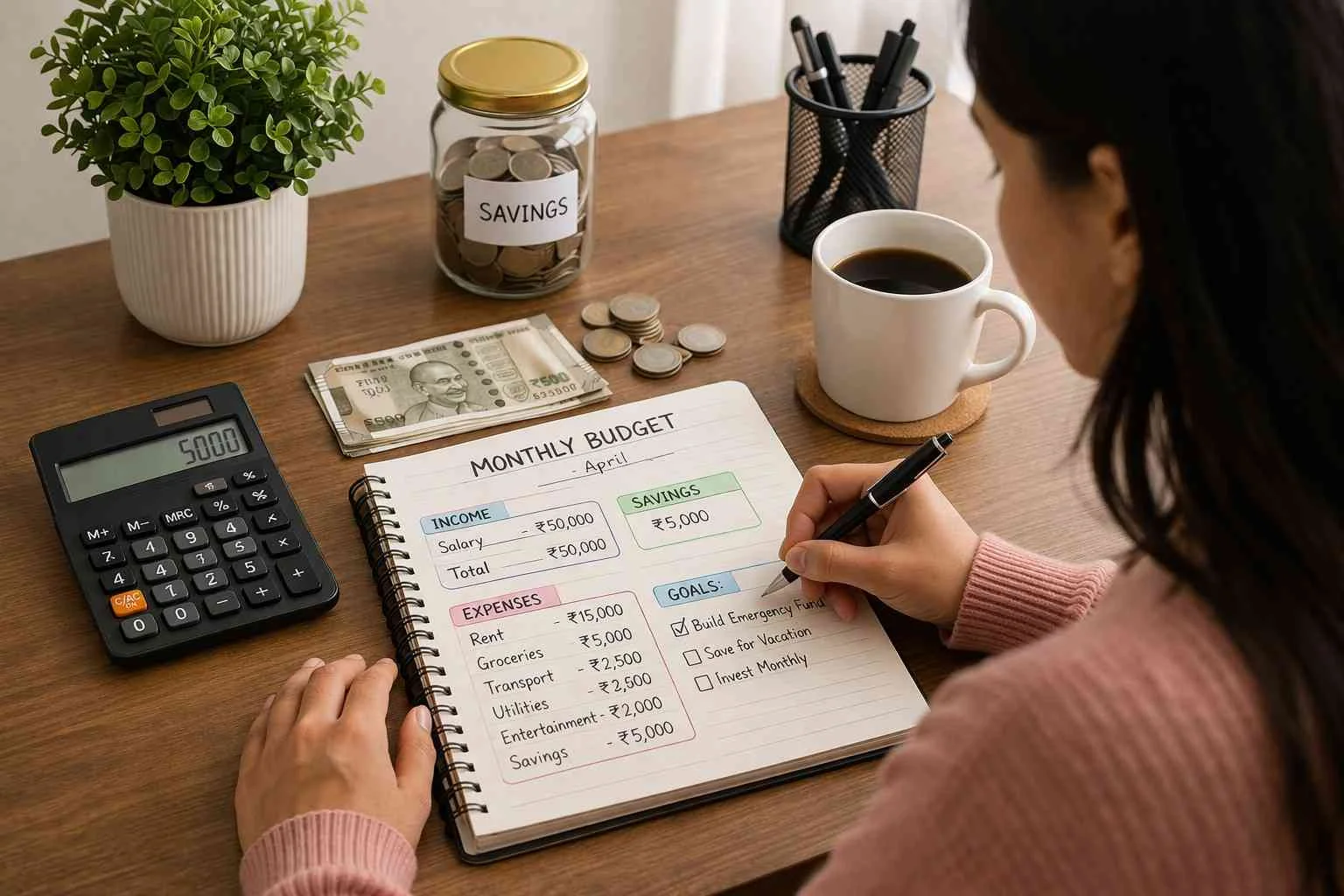
Money can disappear surprisingly quickly when purchases aren’t recorded or reviewed. Poor expense tracking makes it difficult to understand whether everyday spending, recurring subscriptions, debt payments, or occasional large purchases are putting the most pressure on your budget.
You don’t need an elaborate spreadsheet to improve. A simple system used consistently usually provides more value than a complicated system you abandon.
Start With What Actually Leaves Your Accounts
Review recent bank, credit card, and payment-app activity instead of estimating from memory. Group transactions into broad categories such as housing, groceries, transportation, debt, entertainment, and subscriptions.
The Consumer Financial Protection Bureau provides budgeting resources that can help consumers understand everyday money management concepts.
Looking at actual transactions often reveals small recurring expenses that are easy to overlook individually but meaningful when combined.
Choose a Tracking Method You Will Keep Using
Some people prefer spreadsheets. Others work better with budgeting apps, notebooks, or weekly bank-account reviews.
Financial ideas found through general consumer reading may introduce different methods, but the strongest system is usually the one you can maintain without excessive effort.
Record enough detail to identify patterns. Tracking every purchase down to unnecessary complexity can make the process frustrating and easier to abandon.
| Method | Main Advantage | Possible Limitation |
|---|---|---|
| Spreadsheet | Highly customizable | Requires manual upkeep |
| Budgeting app | Convenient automation | May require account access |
| Notebook | Simple and private | Easy to miss transactions |
| Bank review | Uses real activity | Categories may be limited |
Separate Fixed and Flexible Spending
Fixed expenses generally change less from month to month. Rent, certain loan payments, insurance premiums, or scheduled subscriptions may fall into this group.
Flexible expenses vary more. Groceries, fuel, dining, entertainment, clothing, and household purchases often provide more room for adjustment.
People exploring personal finance discussions may see strict budgeting formulas presented as universal rules. In reality, housing costs, family responsibilities, income patterns, debt, and local expenses vary widely.
Use Weekly Reviews Instead of Monthly Surprises
Waiting until the end of the month can make overspending harder to correct. A brief weekly review allows you to see where spending is heading while there’s still time to adjust.
Compare what you expected to spend with what actually happened. You might discover that dining costs rose because of a busy workweek or transportation costs increased because of an unexpected repair.
Broader financial reading material can provide ideas, but your own transaction history is what reveals where your money is actually going.
Common Tracking Mistakes That Hide the Real Picture
Ignoring cash purchases can distort your totals. Small expenses paid through different apps or digital wallets can create the same problem.
Another mistake is counting credit card payments as new spending after already recording the purchases made on the card. That can make expenses appear larger than they actually were.
Avoid treating every irregular expense as unexpected. Car maintenance, annual fees, gifts, school expenses, and home repairs may not happen monthly, but many are predictable over a longer period.
Frequently Asked Questions
How often should I review my expenses?
A weekly review works well for many people because it catches problems early without requiring daily bookkeeping. People with irregular income or tight cash flow may benefit from checking more frequently.
Should I track small purchases too?
Small purchases are worth tracking when they happen frequently. A single coffee may not matter much, but repeated small transactions can become a meaningful spending category over several weeks.
Do I need a budgeting app?
No. Apps can reduce manual work, but spreadsheets, notebooks, and regular account reviews can also work. Consider privacy, cost, convenience, and how consistently you’re likely to use the system.
Turn Spending Records Into Better Decisions
Expense tracking isn’t about criticizing every purchase. Its purpose is to replace guesses with usable information.
Review your accounts regularly, organize spending into sensible categories, and identify the few areas that have the greatest effect on your finances. For decisions involving debt, investments, taxes, or major financial commitments, consider guidance suited to your individual circumstances.
This article provides general financial information and is not a substitute for personalized financial advice from a qualified professional.
Related Posts