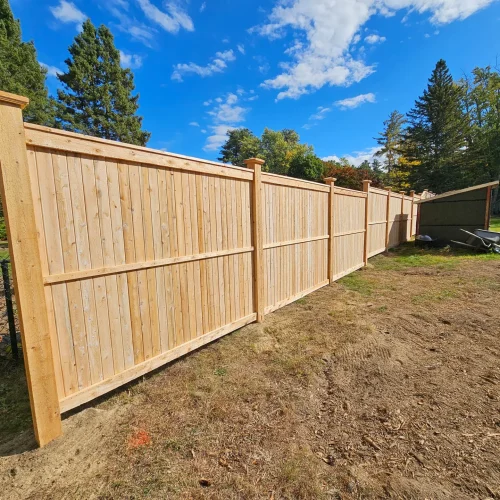
A privacy fence can turn an exposed Niagara yard into a more comfortable outdoor living area. It can screen neighbouring properties, define space for children and pets, reduce visual distractions and create a stronger backdrop for gardens, patios and pools.
The best privacy fence is not simply the tallest solid panel available. Material, grade, wind exposure, gate placement, neighbourhood context and municipal requirements all affect the finished result. Experienced Niagara fence contractors can evaluate these factors before the design is finalized.
Start With the Purpose of the Fence
Clarify what privacy means for the property. A homeowner screening a patio may need a different solution than someone enclosing an entire corner lot. Common goals include blocking a direct sightline, creating a secure play area, reducing street exposure, defining a pool area or improving the appearance of an aging boundary.
The purpose influences height, material and where solid screening is most valuable. In some yards, a combination of full privacy sections and more open fencing provides a better balance of light, airflow and cost.
Popular Privacy Fence Materials in Niagara
Pressure-treated wood
Wood offers a natural appearance and extensive customization. Board-on-board construction overlaps boards to reduce visible gaps, while solid vertical or horizontal designs create a clean screen. Wood requires periodic maintenance, and drainage around the posts and lower boards is important.
Vinyl
Vinyl privacy panels provide a uniform look and do not require staining or painting. They resist rot and are easy to wash. Quality, post design and correct clearances matter because solid panels experience significant wind pressure.
Composite
Composite fencing can deliver a contemporary appearance with lower maintenance than natural wood. Product systems vary, so homeowners should review installation requirements, warranties, colour options and availability of replacement components.
Masonry and mixed-material designs
Some projects combine wood, vinyl or composite panels with masonry or metal elements. These designs can create a premium appearance but require careful coordination of footings, drainage and transitions.
Choosing the Right Fence Height
Height should be based on actual sightlines, not assumptions. A contractor can review views from patios, windows and neighbouring elevations. A fence that appears tall from one point may provide limited screening when the properties sit at different grades.
Local zoning, corner visibility, pool rules and other property-specific requirements can also limit height or placement. Confirm the applicable Niagara municipality’s current requirements before construction, since rules may vary across the region and by property type.
Design Details That Improve Privacy
Board overlap
Overlapping boards help limit gaps as wood expands, contracts and dries. This makes board-on-board fencing a common privacy choice.
Top treatments
Lattice, decorative caps and stepped transitions can soften the appearance of a tall fence. These details should support the overall design without creating weak points.
Gate placement
A gate should be convenient without creating a direct sightline into the most private part of the yard. Its width, hardware and supporting posts must suit expected use.
Grade transitions
Sloping ground can create gaps under a fence or uneven top lines. Stepped or custom-built sections can follow the site while preserving privacy.
Planting integration
Shrubs and ornamental grasses can add depth, but they should not trap moisture against the fence or prevent maintenance access.
Installation Factors That Affect Durability
Strong posts are essential because privacy panels catch wind. Post depth, footing design, spacing and alignment should be suited to the fence system and site conditions. Drainage matters as well; standing water and saturated soil can affect wood durability and post stability.
The installer should plan access, protect lawns and gardens, manage removed soil and leave the site clean. Monarch Landscaping uses property-protection practices such as ground mats and provides custom installation options for varied residential layouts.
Privacy Fence Maintenance
Inspect the fence after winter and major storms. Look for loose hardware, post movement, cracked panels and gate alignment issues. Clean organic buildup and prevent soil or mulch from accumulating against lower components.
Wood fences may require stain or sealant based on exposure and product guidance. Vinyl and composite generally need cleaning rather than refinishing, but damaged components should be addressed before movement affects adjoining panels.
Match the Plan to the Property and Searcher’s Goal
Someone researching privacy fence installation is usually trying to make a practical decision, not simply learn a definition. Start by clarifying the outcome: screen important sightlines while creating a comfortable outdoor space. That goal should guide the recommended scope, materials or service level instead of forcing the property into a standard package.
A site-specific review should consider neighbouring elevations, grade, wind, gates, landscaping and local requirements. These conditions affect performance, cost and future problems. Photographs and general pricing can help with early planning, but they cannot replace an assessment of the actual property and how it is used.
How to Compare Quotes and Service Proposals
Ask each provider to describe material, height, posts, gates, transitions, removal and cleanup. A useful proposal makes responsibilities visible so owners compare the same work rather than totals built from different assumptions. It should also explain how unexpected conditions or requested changes will be approved.
Price matters, but long-term value also depends on planning, suitable materials or equipment, workmanship and communication. A lower figure can become more expensive when important tasks are excluded or the plan does not fit the site.
Questions to Resolve Before Work Begins
Confirm priorities, access requirements, the decision-maker and communication method before the start date. Ask what the owner must provide, what can affect scheduling and how concerns will be documented. Clear answers reduce uncertainty for the contractor, occupants and neighbours.
Keep the approved scope, estimates, product information and service records together. Good documentation makes it easier to review completed work, maintain the finished system and address future repairs, changes or weather-related needs.
Common Planning Mistakes to Avoid
One common mistake is selecting the tallest solid fence before studying sightlines, airflow and surroundings. Another is waiting until the project or season becomes urgent, reducing the time available to compare options and correct unclear details. Good planning considers the complete operating life of the solution, not only installation or the first visit.
Owners should not assume every property requires the same approach. A strong recommendation connects proposed work to observed conditions and explains why the solution is appropriate. That explanation helps distinguish a site-specific plan from a generic quote.
How to Prepare for an Efficient Project or Service Start
Before work begins, remove movable obstacles where requested, identify access limitations and tell the provider about known underground features, private services, sensitive surfaces or operational restrictions. Confirm how pets, tenants, customers, deliveries and neighbouring areas will be managed.
Review the final plan on site when practical. A short pre-start conversation can confirm layout, priorities, staging, storage and protection details that are difficult to understand from a written estimate alone. It also gives both parties a shared reference for the finished result.
After completion or each major service period, review the property and document concerns promptly. Ask for maintenance, inspection or follow-up guidance that applies to the chosen solution. Proactive review helps owners protect the investment and identify small issues before they become larger, more disruptive problems.
Related Posts