
Michael Caine

Poor Home Ventilation – Improve Indoor Air More Regularly
Poor Home Ventilation is usually less about one bad decision than a routine that became easy to postpone. A more dependable approach is to combine source control, sensible ventilation, moisture management, and filtration rather than expecting one device to solve every indoor-air problem. Small systems matter because the safest health habit is often the one […]

Poor Credit Utilization – Reduce Balances Before Reporting Dates
Poor credit utilization can occur when revolving credit balances remain high compared with available credit limits. Because credit-scoring models may consider how close card balances are to their limits, reducing revolving debt can potentially improve the picture shown in your credit reports. The useful goal isn’t chasing a perfect percentage. It’s controlling balances while maintaining […]
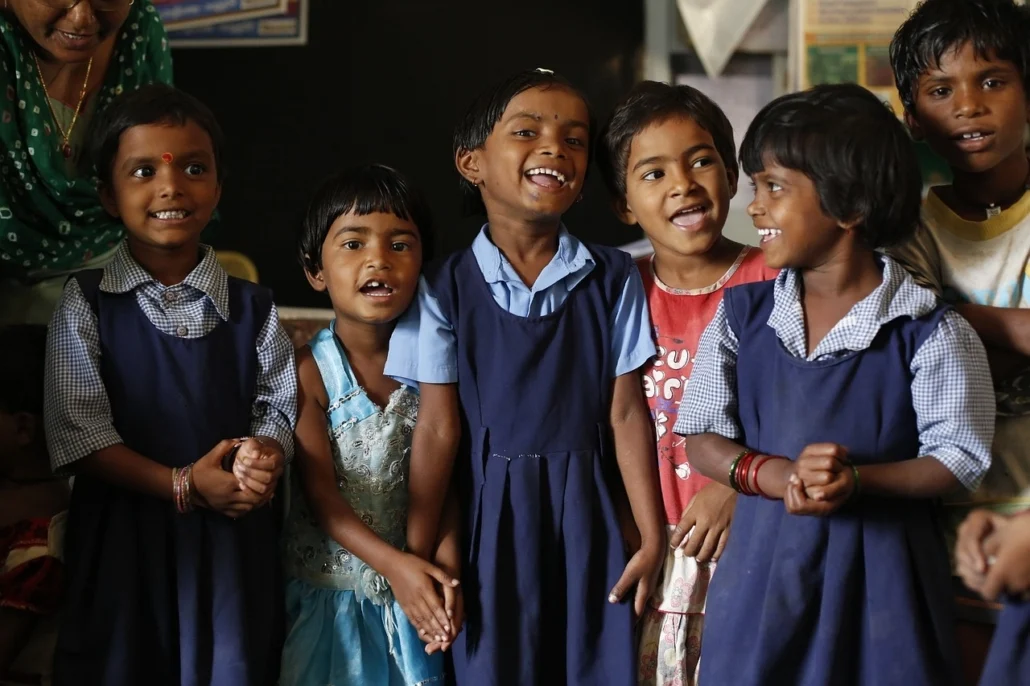
Why Investing in First-Generation Female Scholars Can Create Long-Term Economic Value
Education is often discussed as a basic social investment, but its effects reach much further. When a girl becomes the first person in her family to pursue sustained education, the benefits can extend beyond her individual career. They can influence household decisions, children’s aspirations, workforce participation and the economic resilience of communities. This makes Girls Education in India an important consideration not only for education-focused organisations but also for donors, businesses and policymakers looking for interventions with long-term social and economic potential. Who Are First-Generation Female Scholars? A first-generation scholar is generally someone who is among the first members of her immediate family to pursue meaningful formal education, particularly beyond the level traditionally achieved within the household. For girls from economically disadvantaged communities, reaching this point can involve overcoming several barriers. Limited household income, social expectations, domestic responsibilities, lack of academic guidance and concerns about continuing education can all affect whether a girl remains in school. When one girl successfully progresses through education, however, she can become a reference point for younger siblings and other children in her community. Her educational journey can demonstrate that continuing school and pursuing further opportunities is achievable. Why Girls’ Education Has a Multigenerational Effect The economic value of education is not restricted to the individual receiving it. An educated woman may have greater access to employment, entrepreneurship and financial decision-making opportunities. Her experiences can also influence how her own children approach schooling and career planning. This creates a potentially powerful cycle: Education → greater opportunity → improved household decision-making → stronger educational aspirations → better opportunities for the next generation This is one reason girl child education deserves attention as a long-term development strategy rather than being treated solely as a welfare intervention. The Economic Case for Educating Girls There is no single formula for calculating the economic impact of educating every girl. Outcomes depend on factors such as the quality of education, local employment opportunities, family circumstances and access to higher education or skills training. Still, several mechanisms help explain why investment in girls’ education can have broad economic implications. 1. Expanding the future talent pool When girls are able to complete school and develop relevant skills, more people can potentially participate in India’s future workforce. This matters for a growing economy that needs talent across sectors, from healthcare and education to technology, manufacturing, services and entrepreneurship. 2. Strengthening household economic resilience Education can improve access to information, skills and employment opportunities. For households facing financial uncertainty, having an educated woman with earning potential can provide an additional source of economic resilience. 3. Changing aspirations within families A first-generation female scholar can change what younger family members consider possible. A younger sibling who sees an older sister complete school may be more likely to view education as a normal part of life rather than an unattainable goal. 4. Improving the value of future investments Education does not operate in isolation. Its benefits can increase when combined with healthcare, nutrition, digital access, career guidance and opportunities for skill development. This means donors should consider education programmes as part of a broader development ecosystem. Why the First Generation Can Be the Hardest to Reach Families with a long history of educational participation often have access to information that makes navigating the system easier. Parents may understand admission procedures, examinations, scholarships and career pathways because they have experienced them themselves. First-generation learners may not have that advantage. A student can be academically capable but still struggle because there is no one at home who knows how to guide her through the next stage. This is where sustained educational support can make a difference. Effective girls education programs can therefore go beyond school fees or learning materials. Depending on the local context, support may include mentoring, academic assistance, community engagement, digital learning resources and efforts to encourage continued attendance. From School Access to Educational Continuity Getting a girl into school is only one part of the challenge. Keeping her engaged through successive stages of education can be equally important. A useful framework for donors and CSR teams is to consider the complete student journey: This broader perspective can help distinguish a short-term intervention from a programme designed for lasting outcomes. What Makes Girls’ Schooling Initiatives More Effective? For organisations and donors evaluating girls schooling initiatives, several factors deserve attention. Community involvement Educational programmes are more likely to remain relevant when families and local communities are involved. Understanding local concerns can help organisations identify why girls may be missing school or discontinuing their education. Consistent support Education is cumulative. A girl may require support over several years rather than through a single intervention. Measurable outcomes Attendance, continuation, learning progress and other appropriate indicators can help organisations understand whether a programme is achieving its intended purpose. Local implementation expertise An organisation with experience working directly with communities can often identify practical barriers that are not visible from a purely financial or administrative perspective. Flexibility Different communities face different challenges. Successful programmes should be capable of adapting their approach without losing their core educational objectives. How Donors and Companies Can Support the Next Generation Individual donors, HNIs and companies can contribute in different ways. For individuals, recurring donations can provide more predictable support than occasional contributions. Families can also involve children in giving decisions, helping them understand why educational opportunity matters. For companies, education can become part of structured support girls education strategies through carefully designed CSR partnerships. Rather than focusing exclusively on inputs such as books, uniforms or devices, CSR teams can evaluate whether their funding contributes to sustained participation and educational progress. Companies should also assess the capabilities of implementation partners. Questions worth asking include: These questions encourage more thoughtful philanthropy without reducing education to a simple numerical target. The Role of NGOs in Creating Educational Pathways An effective education-focused NGO can connect resources with the realities faced by children and families. Its role may include identifying communities, working with families, coordinating educational support and monitoring student progress. For those researching organisations working specifically on girls’ education, Nanhi Kali provides an example of a programme focused on supporting girls from underserved communities through education. […]

Rising Household Expenses – Review Recurring Costs Every Month
Household spending can rise without one dramatic purchase. A few higher utility bills, renewed subscriptions, delivery fees, insurance changes, and recurring services can gradually push monthly expenses beyond the amount you expected. Reviewing recurring costs every month makes those increases easier to spot. The purpose is not to eliminate everything enjoyable, but to identify expenses […]

Frequent Cold Spread – Strengthen Everyday Hygiene at Home
Colds moving quickly through a household because close contact and shared routines make exposure easy can turn an ordinary weekday into a repeated source of stress. The practical aim is practical hygiene habits that reduce avoidable spread without making home life feel clinical. Start with changes that fit the child’s age and the family schedule. […]

High Insurance Premiums – Review Coverage Before Renewal Dates
High insurance premiums can quietly become part of a household budget because renewals often happen automatically. Reviewing your policy before the renewal date gives you time to understand what changed, compare alternatives, and check whether your coverage still matches your needs. Price matters, but reducing a premium without understanding what you’re giving up can create […]

Slow Weight Progress – Focus on Sustainable Daily Changes
Slow weight progress can feel discouraging when you’re putting effort into changing how you eat or move. Yet short-term scale changes don’t tell the whole story. Body weight can fluctuate, and long-term weight management is influenced by eating patterns, physical activity, sleep, stress, medicines, health conditions, and other factors. Measure More Than a Single Weigh-In […]
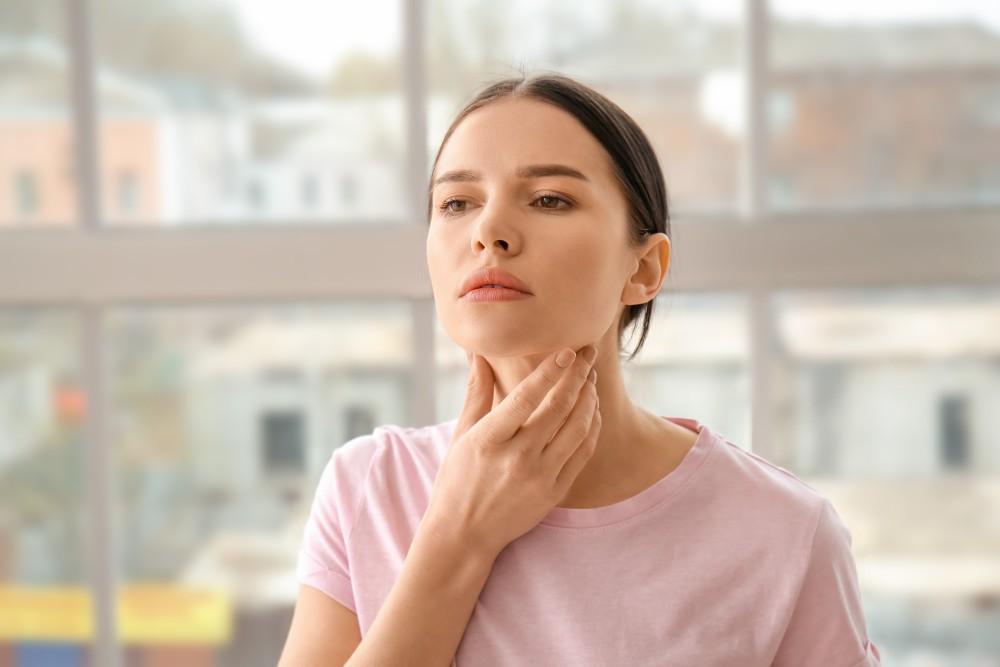
Persistent Hoarse Voice – Rest Voice and Seek Evaluation
A hoarse voice may sound raspy, breathy, strained, unusually low, or weaker than normal. Short-lived hoarseness often follows an upper respiratory illness or heavy voice use, but persistent hoarseness deserves more attention. Resting an overworked voice and staying hydrated can help in some situations, while lasting changes should be evaluated to identify the underlying cause. […]
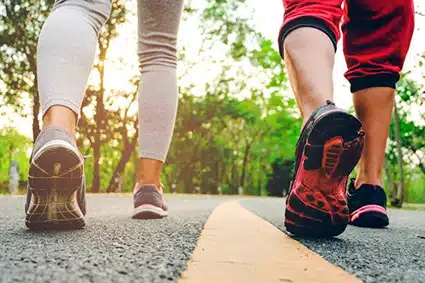
Uneven Walking Mechanics – Address Footwear and Movement Habits
Uneven walking mechanics can appear as limping, unequal stride length, one foot turning differently, uneven shoe wear, or a noticeable shift of the trunk or pelvis. Sometimes the cause is a temporary response to soreness. In other situations, it may reflect weakness, limited joint movement, foot structure, balance problems, or a previous injury. The first […]

Frequent Negative Thinking – Challenge Patterns With Balanced Reflection
Frequent negative thinking can make ordinary setbacks feel larger and more permanent than they are. One frustrating conversation may become “I always mess things up,” while a mistake at work can quickly turn into assumptions about future failure. Balanced reflection doesn’t require forced positivity. It means checking whether your first interpretation is the only reasonable […]