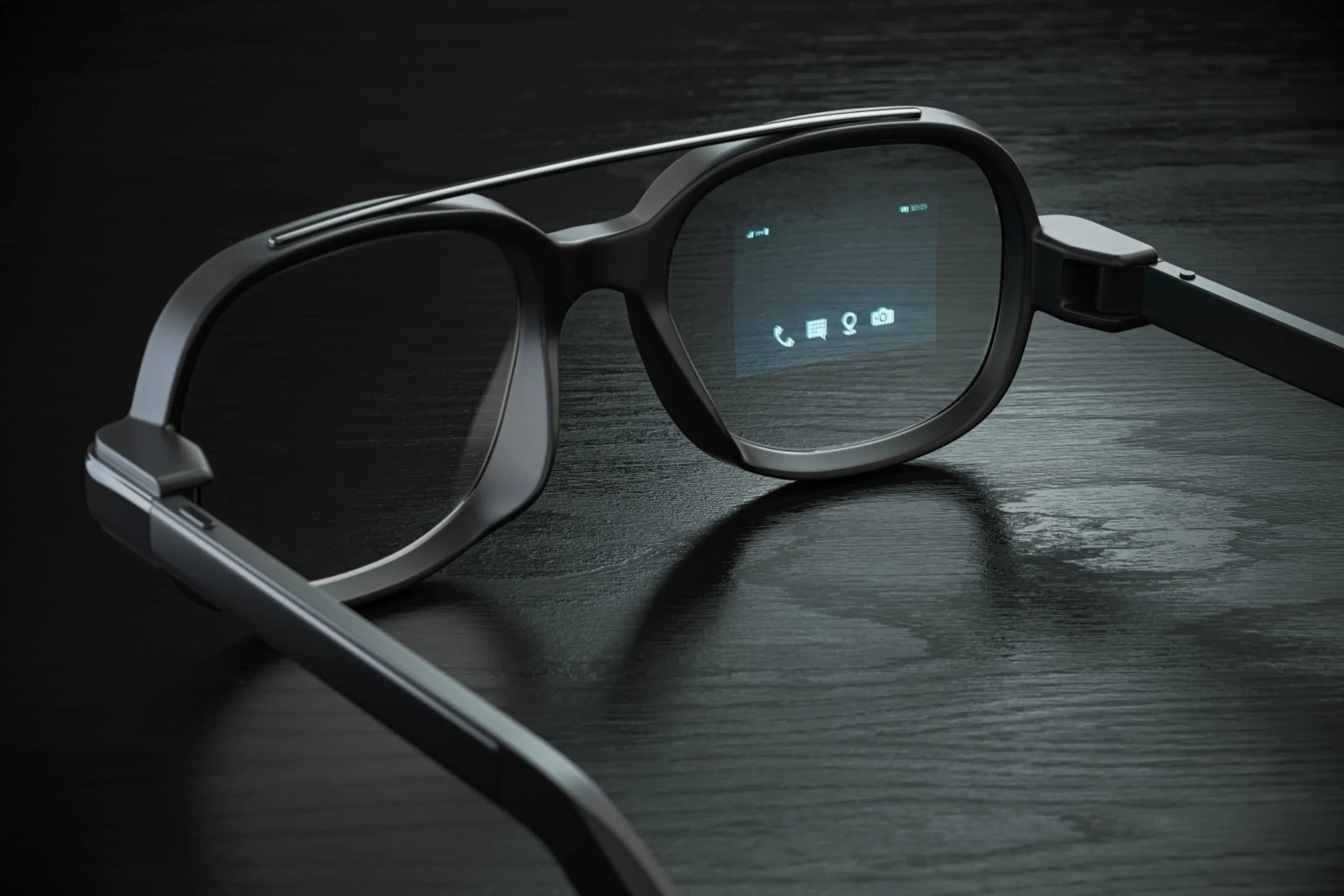
Problems with smart glasses privacy and usability are easier to solve when the symptom is described precisely. Always-available cameras, microphones, notifications, or displays creating social and privacy concerns can come from setup, environment, software, or unrealistic expectations about what the system is designed to do. The practical objective is to use smart glasses without ignoring the people and data around you. Alongside manufacturer documentation, smart-device privacy reading can help readers build a wider technical frame of reference. Begin with the conditions you can control, then move toward more complex hardware or service explanations only if the basic checks do not help.
Where to Start With the Main Platforms
A technology issue is often the result of two small weaknesses appearing together: a marginal physical setup plus an aggressive software setting, or a secure device attached to a weak account. Looking at several real platforms makes those dependencies easier to see. The examples below cover common approaches to smart glasses privacy and usability without pretending that one vendor is universally better for every user or organization.
1. Ray-Ban Meta
Ray-Ban Meta smart glasses combine cameras, microphones, speakers, and Meta-connected features in an everyday eyewear form. Their convenience makes social signaling important, so users should understand recording indicators and avoid assuming that every setting is appropriate for every environment. What matters here is not the brand name alone but how compare documented setup requirements before assuming every similar symptom has the same cause.
2. XREAL
XREAL glasses focus on wearable displays that connect to compatible phones, computers, or companion devices. Privacy concerns often center less on outward recording and more on what appears on the display, nearby screen visibility, connected-app permissions, and account security. This platform is a useful reference because compare documented setup requirements before assuming every similar symptom has the same cause.
3. Vuzix
Vuzix produces smart glasses for enterprise and industrial workflows, where cameras and displays may be used for remote support or hands-free information. Organizations should establish clear recording, retention, and worker-notification rules before deploying them in sensitive areas. For this issue, the practical point is that compare documented setup requirements before assuming every similar symptom has the same cause.
4. Rokid
Rokid offers wearable display and augmented-reality products aimed at entertainment and spatial computing. Users should check which functions depend on companion apps, microphones, or cameras and disable features that are unnecessary for the activity at hand. Its role in the market illustrates how compare documented setup requirements before assuming every similar symptom has the same cause.
5. Snap Spectacles
Snap Spectacles are designed around camera-based and augmented-reality experiences. Because the eyewear can capture from the wearer’s point of view, responsible use requires attention to recording indicators, consent expectations, and where created media is synchronized or shared. The product family is worth examining because compare documented setup requirements before assuming every similar symptom has the same cause.
How Should You Troubleshoot the Problem?
A good decision process asks what can be measured before asking what can be replaced. Broader wearable computing insights can help frame the issue, while the actual fix should be tested against the product’s documented behavior. Treat smart glasses as visible sensors, not invisible personal accessories. Learn the recording indicator, disable features you do not need, protect the linked phone account, and avoid capturing in private or sensitive spaces without a clear reason. In workplaces, schools, healthcare settings, and client sites, policy may be more restrictive than what the hardware technically allows. Once the system is stable, avoid continuing to change settings merely because more options are available.
Frequently Asked Questions
Can smart glasses record people without them noticing?
Capabilities differ by product, and many devices use visible indicators or other signals during recording. Users should not rely on technical possibility as permission; privacy expectations and local rules still matter.
Are display-only smart glasses a privacy risk?
They can be. Sensitive notifications, documents, or messages may appear in the user’s field of view, while connected apps and companion devices still process data. Account and screen privacy remain important.
What should businesses define before issuing smart glasses?
Set rules for recording, client consent, sensitive locations, data retention, remote support, device loss, software updates, and account ownership. Clear policy should come before broad deployment.
Keep the Basics in Control
Smart glasses blur the line between personal device and environmental sensor. That makes etiquette, policy, and account security part of the product experience. Use only the features you need, make recording obvious, and respect spaces where convenience should yield to privacy. Broader wearable systems context can add useful perspective when the issue connects to networks, software, or infrastructure. Keep the final decision tied to observed behavior and current manufacturer guidance rather than assumptions carried over from a different product.
Related Posts