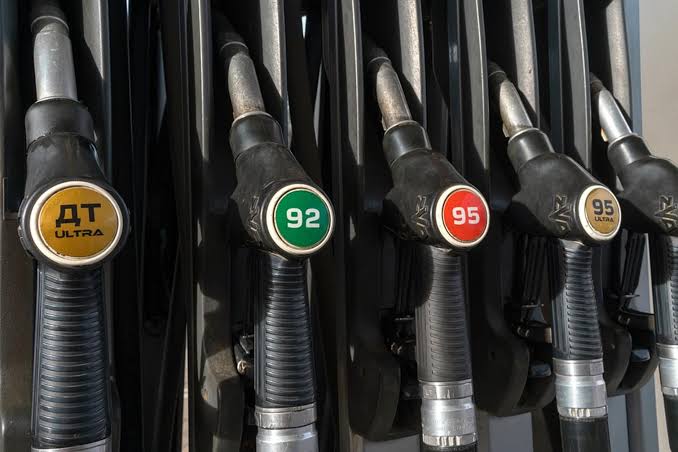
Paying for premium gasoline does not automatically improve every vehicle. If expensive premium fuel is increasing your running costs, start by checking the octane grade the manufacturer actually requires or recommends.
Using a higher octane than the engine needs usually isn’t the same as buying higher-quality maintenance. The correct fuel is the grade designed for the engine.
Understand What Octane Is For
Octane rating relates to a fuel’s resistance to abnormal combustion under pressure. Some engines are designed around higher-octane fuel because of factors such as compression, boost, ignition strategy, or performance targets.
That doesn’t mean every engine benefits from the highest number at the pump. Drivers exploring drivetrain efficiency topics should separate genuine mechanical requirements from the assumption that a more expensive fuel is automatically better.
Required and Recommended Are Different Words
Owner manuals may describe a fuel grade as required, recommended, or acceptable. Those distinctions matter because a vehicle that requires premium should be treated differently from one that merely recommends it for certain performance conditions.
Good everyday garage habits include keeping basic specifications accessible instead of relying on memory at the fuel station. The fuel door, owner’s manual, or manufacturer information can usually clarify the appropriate octane.
| Manual Language | What It Suggests | Owner Response |
|---|---|---|
| Premium required | Engine designed for specified grade | Follow requirement |
| Premium recommended | May support intended performance | Review manufacturer guidance |
| Regular specified | Higher octane usually unnecessary | Use specified grade |
| Unsure | Requirement not confirmed | Check manual first |
Higher Price Doesn’t Mean More Energy for Every Engine
Premium fuel is often treated as if it contains an automatic performance upgrade. In reality, an engine can only take advantage of fuel characteristics its design and control system are intended to use.
People comparing fuel and ownership decisions should focus on documented requirements rather than pump-side assumptions. Spending more per gallon without a mechanical reason can raise annual fuel costs without producing a noticeable ownership benefit.
Watch for Modified Engines
The situation changes when an engine has been tuned or mechanically modified. Changes to boost pressure, compression, ignition timing, or engine management may alter fuel requirements.
Follow the specifications of the approved tune or qualified technician rather than assuming the original factory fuel recommendation still applies.
What Drivers Commonly Get Wrong
A common misconception is that premium gasoline is cleaner simply because it costs more. Fuel quality, additive packages, octane rating, and engine requirements are related topics but not interchangeable concepts.
Another mistake is switching grades repeatedly based on impressions from one tank. Traffic, weather, driving style, trip length, and measurement error can affect perceived fuel economy. A single fill-up rarely proves that a more expensive grade saves money.
Frequently Asked Questions
Will premium fuel increase horsepower?
It may matter in engines designed to adjust performance around higher-octane fuel, but results depend on the engine. A vehicle designed for regular gasoline should not be assumed to gain meaningful power from premium.
Can I use regular if premium is recommended?
That depends on the wording and instructions from the manufacturer. Some vehicles permit lower octane with possible performance changes, while others specifically require premium. Check the owner’s manual before changing grades.
Is premium fuel better for an older car?
Vehicle age alone does not determine octane requirements. Use the grade specified for the engine unless modifications, manufacturer guidance, or a qualified diagnosis gives you a reason to do otherwise.
Buy the Fuel the Engine Needs
Fuel decisions should come from the vehicle’s specifications, not the price hierarchy displayed on the pump. Confirm whether premium is required, recommended, or unnecessary for your engine.
Using the correct octane can control operating costs while still giving the engine the fuel characteristics its designers intended.
Related Posts