
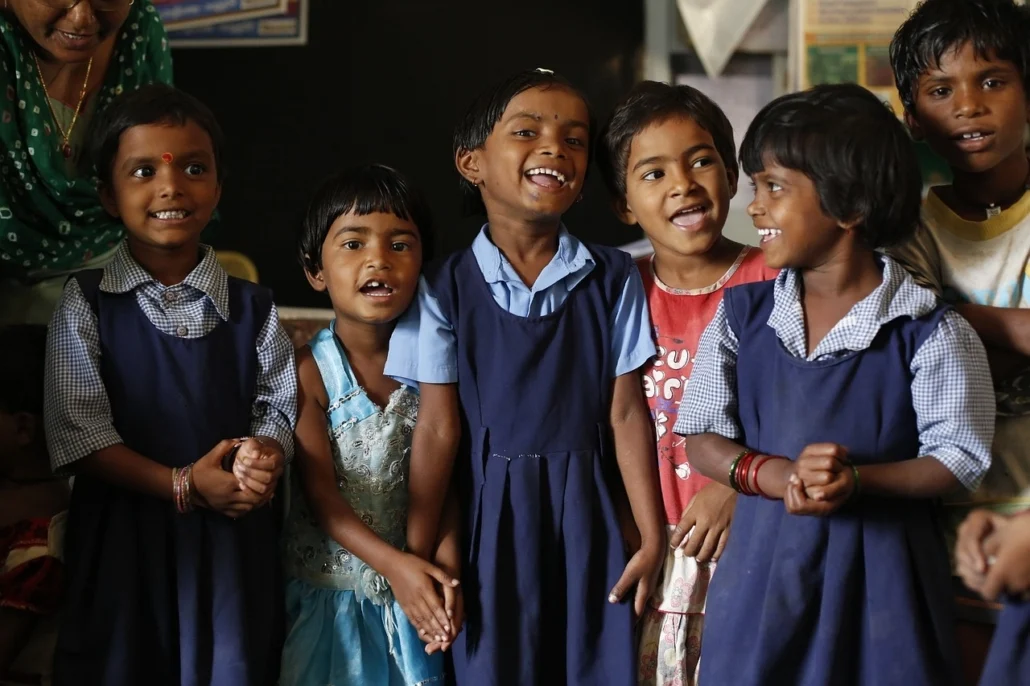
Education is often discussed as a basic social investment, but its effects reach much further. When a girl becomes the first person in her family to pursue sustained education, the benefits can extend beyond her individual career. They can influence household decisions, children’s aspirations, workforce participation and the economic resilience of communities.
This makes Girls Education in India an important consideration not only for education-focused organisations but also for donors, businesses and policymakers looking for interventions with long-term social and economic potential.
Who Are First-Generation Female Scholars?
A first-generation scholar is generally someone who is among the first members of her immediate family to pursue meaningful formal education, particularly beyond the level traditionally achieved within the household.
For girls from economically disadvantaged communities, reaching this point can involve overcoming several barriers. Limited household income, social expectations, domestic responsibilities, lack of academic guidance and concerns about continuing education can all affect whether a girl remains in school.
When one girl successfully progresses through education, however, she can become a reference point for younger siblings and other children in her community. Her educational journey can demonstrate that continuing school and pursuing further opportunities is achievable.
Why Girls’ Education Has a Multigenerational Effect
The economic value of education is not restricted to the individual receiving it.
An educated woman may have greater access to employment, entrepreneurship and financial decision-making opportunities. Her experiences can also influence how her own children approach schooling and career planning.
This creates a potentially powerful cycle:
Education → greater opportunity → improved household decision-making → stronger educational aspirations → better opportunities for the next generation
This is one reason girl child education deserves attention as a long-term development strategy rather than being treated solely as a welfare intervention.
The Economic Case for Educating Girls
There is no single formula for calculating the economic impact of educating every girl. Outcomes depend on factors such as the quality of education, local employment opportunities, family circumstances and access to higher education or skills training.
Still, several mechanisms help explain why investment in girls’ education can have broad economic implications.
1. Expanding the future talent pool
When girls are able to complete school and develop relevant skills, more people can potentially participate in India’s future workforce.
This matters for a growing economy that needs talent across sectors, from healthcare and education to technology, manufacturing, services and entrepreneurship.
2. Strengthening household economic resilience
Education can improve access to information, skills and employment opportunities. For households facing financial uncertainty, having an educated woman with earning potential can provide an additional source of economic resilience.
3. Changing aspirations within families
A first-generation female scholar can change what younger family members consider possible. A younger sibling who sees an older sister complete school may be more likely to view education as a normal part of life rather than an unattainable goal.
4. Improving the value of future investments
Education does not operate in isolation. Its benefits can increase when combined with healthcare, nutrition, digital access, career guidance and opportunities for skill development.
This means donors should consider education programmes as part of a broader development ecosystem.
Why the First Generation Can Be the Hardest to Reach
Families with a long history of educational participation often have access to information that makes navigating the system easier. Parents may understand admission procedures, examinations, scholarships and career pathways because they have experienced them themselves.
First-generation learners may not have that advantage.
A student can be academically capable but still struggle because there is no one at home who knows how to guide her through the next stage. This is where sustained educational support can make a difference.
Effective girls education programs can therefore go beyond school fees or learning materials. Depending on the local context, support may include mentoring, academic assistance, community engagement, digital learning resources and efforts to encourage continued attendance.
From School Access to Educational Continuity
Getting a girl into school is only one part of the challenge. Keeping her engaged through successive stages of education can be equally important.
A useful framework for donors and CSR teams is to consider the complete student journey:
- Access – Can the child enter and attend school?
- Participation – Does she attend regularly and engage with learning?
- Learning – Is she developing foundational and age-appropriate skills?
- Continuation – Can she progress to the next educational level?
- Transition – Does she have information about further education, skills or careers?
- Agency – Does education strengthen her ability to make informed decisions about her future?
This broader perspective can help distinguish a short-term intervention from a programme designed for lasting outcomes.
What Makes Girls’ Schooling Initiatives More Effective?
For organisations and donors evaluating girls schooling initiatives, several factors deserve attention.
Community involvement
Educational programmes are more likely to remain relevant when families and local communities are involved. Understanding local concerns can help organisations identify why girls may be missing school or discontinuing their education.
Consistent support
Education is cumulative. A girl may require support over several years rather than through a single intervention.
Measurable outcomes
Attendance, continuation, learning progress and other appropriate indicators can help organisations understand whether a programme is achieving its intended purpose.
Local implementation expertise
An organisation with experience working directly with communities can often identify practical barriers that are not visible from a purely financial or administrative perspective.
Flexibility
Different communities face different challenges. Successful programmes should be capable of adapting their approach without losing their core educational objectives.
How Donors and Companies Can Support the Next Generation
Individual donors, HNIs and companies can contribute in different ways.
For individuals, recurring donations can provide more predictable support than occasional contributions. Families can also involve children in giving decisions, helping them understand why educational opportunity matters.
For companies, education can become part of structured support girls education strategies through carefully designed CSR partnerships. Rather than focusing exclusively on inputs such as books, uniforms or devices, CSR teams can evaluate whether their funding contributes to sustained participation and educational progress.
Companies should also assess the capabilities of implementation partners. Questions worth asking include:
- Who are the intended beneficiaries?
- What barriers to education does the programme address?
- How long does the intervention support each student?
- How are outcomes measured?
- How is community participation incorporated?
- What happens after the initial funding period?
- How are programme results communicated to donors and partners?
These questions encourage more thoughtful philanthropy without reducing education to a simple numerical target.
The Role of NGOs in Creating Educational Pathways
An effective education-focused NGO can connect resources with the realities faced by children and families. Its role may include identifying communities, working with families, coordinating educational support and monitoring student progress.
For those researching organisations working specifically on girls’ education, Nanhi Kali provides an example of a programme focused on supporting girls from underserved communities through education.
The larger lesson is that philanthropic capital becomes more useful when it is paired with field-level understanding. Donors do not simply need places to contribute money; they need credible pathways through which resources can translate into meaningful educational opportunities.
Why the Impact Extends Beyond GDP
Calling education an “economic investment” can sometimes make its value appear narrower than it really is.
A girl who completes her education may gain employment opportunities, but she may also develop greater confidence, knowledge and decision-making capacity. She may become a teacher, professional, entrepreneur, community leader or role model for other young people.
These outcomes may not always be immediately captured in economic indicators.
That is why the strongest case for Education for underprivileged girls combines economic reasoning with human development. Better educational opportunities can strengthen individual agency while also contributing to more capable households and communities.
Looking Ahead
India’s demographic and economic future will depend partly on how effectively it develops the capabilities of its entire population. Leaving girls behind represents a loss of potential—not only for individual families but for communities and the wider economy.
Investing in first-generation female scholars is therefore about more than helping one student complete school. It is about creating pathways through which educational opportunity can move from one generation to the next.
For donors, businesses and CSR leaders, the challenge is to move beyond short-term visibility and consider the long-term architecture of educational support. Programmes that combine continuity, community engagement, measurable outcomes and appropriate resources can help transform education from an individual opportunity into a wider engine of social and economic progress.
Conclusion
The case for Girls Education in India is both deeply human and economically compelling. Supporting a girl through education can influence her future, her family and the expectations of those who come after her.
First-generation female scholars occupy a particularly important position in this process. By helping remove the barriers that prevent girls from continuing their education, donors and organisations can contribute to a cycle in which educational opportunity becomes increasingly accessible across generations.
The greatest return may not be visible in a single year or captured by one statistic. It can emerge gradually—in stronger aspirations, better opportunities, greater participation and a new generation of girls who see education not as an exception, but as a normal and achievable part of their future.